
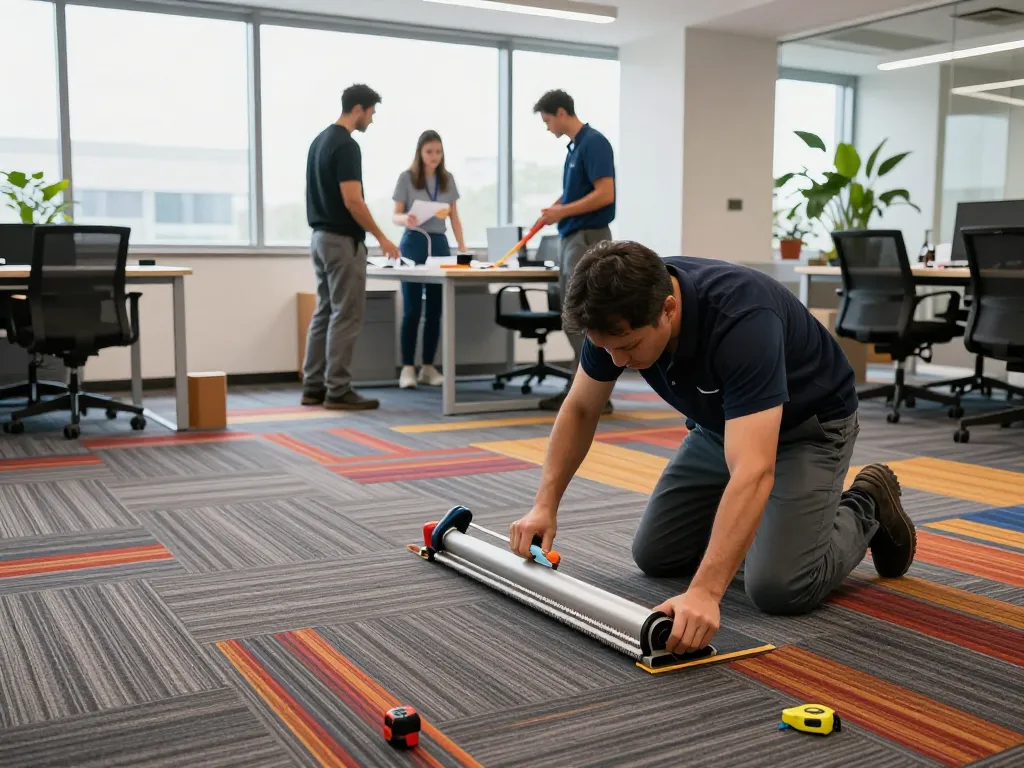
Understanding Commercial Carpet Installation
Commercial carpet installation is a vital service that serves various industries, providing both functionality and aesthetic appeal to workplaces. These installations cater to a range of settings, from corporate offices to retail shops and healthcare facilities. In today’s competitive landscape, businesses are increasingly aware that the right flooring can significantly influence both employee productivity and customer perceptions. When exploring options, commercial carpet installation provides comprehensive insights into what makes a successful project.
What is Commercial Carpet Installation?
Commercial carpet installation refers to the process of laying down carpets specifically designed for commercial use. Unlike residential carpets, commercial carpets must withstand heavy foot traffic, resist stains, and provide longer-lasting durability. These carpets are typically made from tougher materials, such as nylon or polypropylene, and come in various styles, including broadloom, tile, and modular systems. The installation process can vary based on the type of carpet selected, the space’s layout, and the specific requirements of the facility.
Benefits of Professional Installation
Hiring professional services for commercial carpet installation offers numerous advantages:
- Expertise: Professionals have the training and experience to handle the intricacies of installation, from subfloor preparation to precise fitting.
- Time Efficiency: A team of skilled installers can complete the job quicker than an untrained group.
- Warranty Protection: Many manufacturers require professional installation to uphold warranty claims, ensuring that your investment is protected.
- Quality Results: Professional installers are equipped with the right tools and techniques to ensure a flawless finish.
Common Types of Commercial Carpets
Understanding the different types of commercial carpets available can significantly influence your choice:
- Broadloom Carpets: These are large rolls of carpet that can cover extensive areas without seams, ideal for open spaces.
- Carpet Tiles: Easy to install and replace, carpet tiles are perfect for businesses that anticipate future layout changes or high wear in specific areas.
- Modular Carpets: Similar to carpet tiles, but often designed with intricate patterns that can create visually striking floors.
- Luxury Vinyl Tile (LVT): A hybrid option that combines the look of carpet with the durability of vinyl, suitable for high-traffic areas.
Planning Your Carpet Installation
Assessing Your Space’s Requirements
Before initiating a carpet installation project, assessing the specific needs of your space is crucial. Consider factors like the type of activities that will take place in the area, the amount of foot traffic, and the overall aesthetic you want to achieve. High-traffic areas often require more durable materials, while quieter spaces may afford some flexibility in design and fiber choice.
Budgeting for Installation Costs
Establishing a budget early on can help streamline the entire process of commercial carpet installation. The cost can vary significantly based on factors such as carpet type, size of the area, and installation complexity. On average, commercial carpet installation ranges from $2.50 to $7.50 per square foot. Be sure to account for any additional services, such as old carpet removal, subfloor repairs, and padding installation, which can add to the overall expense.
Choosing the Right Materials and Design
Selecting the right carpet materials and designs is vital for both aesthetics and functionality. Opt for carpets that reflect your brand image and create a welcoming atmosphere. Additionally, consider the fibers’ resistance to stains and wear, particularly in high-traffic areas. Collaborating with interior designers or flooring experts can aid in making informed decisions tailored to your commercial space.
The Installation Process: Step-by-Step
Preparing the Site for Installation
Successful carpet installation begins with meticulous preparation. This includes clearing the installation area of furniture and existing flooring, repairing any damaged subfloors, and ensuring that the environment is conducive to installation—temperature and humidity levels should be optimal.
Installation Techniques and Best Practices
Different installation techniques can be used depending on the carpet type:
- Glue-Down Installation: Suitable for dense carpets and high-traffic areas, this method uses adhesive to secure the carpet directly to the subfloor.
- Stretch-In Installation: Often used for broadloom carpets, a carpet pad is stretched over tack strips along the perimeter, allowing for easy removal and replacement.
- Tile Installation: Tiles are laid individually, providing flexibility in design and easy replacements in case of damage.
Post-Installation Care and Maintenance
After installation, proper care is essential to extend the life of commercial carpets. Regular vacuuming, spot cleaning, and periodic deep cleaning can help maintain appearance and hygiene. It’s also advisable to implement a maintenance schedule to maximize carpet longevity, particularly in high-traffic environments.
Challenges in Commercial Carpet Installation
Common Installation Pitfalls to Avoid
Several common pitfalls can lead to issues during carpet installation:
- Failing to prepare the subfloor adequately can result in uneven surfaces.
- Not accounting for the area’s humidity and temperature can affect adhesive performance.
- Overlooking the specific needs of the business, such as acoustics and insulation, may lead to unsatisfactory results.
Dealing with High-Traffic Areas
High-traffic areas present unique challenges for commercial carpet installations. Opting for more durable materials and patterns that can disguise wear and tear is essential. Installing carpets in sections that can be replaced easily will also help manage maintenance costs over time.
Addressing Moisture and Subfloor Issues
Moisture problems can severely impact the integrity of carpets. Conducting a moisture test before installation can help identify potential issues. In cases where moisture is a concern, using moisture barriers or choosing moisture-resistant materials is advisable.
Future Trends in Carpet Installation for 2026 and Beyond
Innovative Materials and Sustainability Practices
The trend towards sustainability is reshaping the commercial carpet industry. Manufacturers are increasingly offering carpets made from recycled materials and eco-friendly fibers. Implementing sustainable practices in installation, such as reducing waste and conserving materials, is becoming more common.
Technological Advancements in Flooring
Technology is also making its mark on carpet installation. Innovations such as advanced adhesives, moisture-activated products, and digital design tools are streamlining the installation process and enhancing the overall quality.
Consumer Preferences Shaping the Industry
Consumer preferences are continually evolving, leading to changes in design choices and carpet features. Businesses are leaning towards carpets that not only meet aesthetic standards but also serve functional requirements, such as soundproofing and ease of cleaning.
What is the Average Cost of Commercial Carpet Installation?
The cost can be a significant factor in commercial carpet installation. As mentioned earlier, expect to spend between $2.50 to $7.50 per square foot, with variations based on material and installation complexity. Always ensure to get multiple quotes to understand the market better.
How Long Does Commercial Carpet Last?
With proper care, commercial carpets can last anywhere from five to fifteen years, depending on the material and usage. High-quality carpets designed for commercial use often provide the best longevity.
What Are the Maintenance Tips for Commercial Carpets?
Here are some essential maintenance tips to keep in mind:
- Vacuum regularly to remove dirt and debris.
- Address spills immediately to prevent stains.
- Schedule professional cleaning at least once a year.
What Types of Carpets Are Best for Offices?
For office environments, carpet tiles and low-pile broadloom options are often recommended due to their durability and ease of maintenance. Additionally, acoustically insulated carpets can help reduce noise levels in busy offices.
Are There Eco-Friendly Options for Commercial Carpets?
Yes, many manufacturers are now offering eco-friendly carpets made from sustainable sources and recyclable materials. These options not only reduce environmental impact but also often come with superior durability and performance characteristics.