Understanding the Importance of Local Plumbing Services
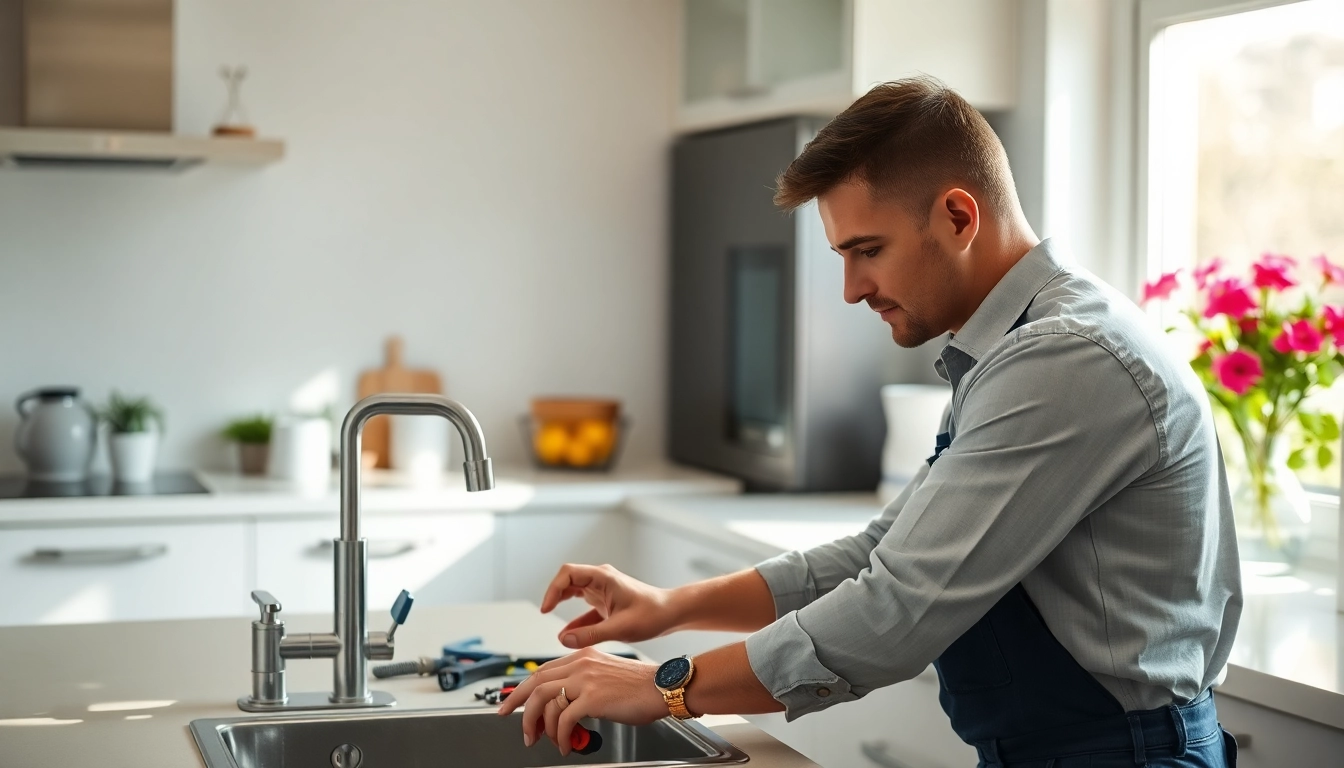
When faced with plumbing concerns, one of your primary searches might lead you to find a Plumber near me. But why are local plumbing services so essential? The answer lies in the unique challenges and advantages they bring to homeowners and businesses alike. Local professionals not only understand the specific needs of their community but also deliver services that resonate with those specific requirements. Let’s delve deeper into the implications of choosing a local plumber.
Why Choose a Plumber Near Me?
Choosing a plumber who operates within your vicinity can have tremendous benefits. First and foremost, local plumbers typically offer faster response times, which is vital during emergencies such as burst pipes or severe leaks. This immediacy can minimize water damage and repair costs significantly.
Additionally, local plumbing services often operate on word-of-mouth recommendations and community relationships, fostering trust and reliability. This personal connection can be especially comforting when dealing with in-home repairs, where you often prefer to allow someone familiar with the area and its concerns into your space.
Benefits of Hiring Local Professionals
In addition to quick response times, hiring local plumbers provides benefits such as:
- Knowledge of Local Codes: Local plumbers understand the specific building codes and regulations pertinent to your area, ensuring that all work complies with legal standards.
- Accountability: Should issues arise after the service, local providers are easier to reach for follow-up services, thus establishing a trustworthy relationship.
- Community Expertise: Familiarity with common plumbing issues in your locality allows them to quickly diagnose problems and provide targeted solutions.
How Local Knowledge Matters
Local plumbers are often aware of plumbing issues that are particularly prevalent in their region due to climate, infrastructure, or aging systems. For example, if you reside in an area with hard water, a local plumber can recommend solutions to mitigate its effects on your plumbing system, ensuring longevity and efficiency.
Furthermore, they are in a better position to provide insight on the best materials or methods suited for your specific environment, often leading to more effective and sustainable solutions.
Common Plumbing Issues and Solutions
Understanding common plumbing issues can help you identify problems early and seek timely assistance from a professional. Here are some prevalent plumbing concerns homeowners may encounter:
Identifying Common Problems
Some common plumbing problems include:
- Leaky Faucets: These can waste significant amounts of water if not addressed promptly.
- Clogged Drains: Often caused by hair, grease, or foreign objects, clogged drains are not only inconvenient but can also lead to severe plumbing issues.
- Running Toilets: A toilet that continues to run after flushing can waste a considerable amount of water, inflating your water bill.
Recognizing these issues early allows for quicker remedies and can prevent more extensive repairs down the line.
Emergency Plumbing Situations
Emergency plumbing situations require immediate attention. These can include:
- Burst Pipes: Quickly turn off the main water supply and call a plumber to mitigate water damage.
- Overflowing Toilets: Stop the flow by lifting the tank float or shutting off the water supply to prevent further flooding.
- Gas Leaks: In an event of a suspected gas leak, evacuate the area and contact emergency services immediately.
Being aware of how to respond during such emergencies can save you costly repairs and ensure the safety of your home.
Simple DIY Fixes Before Calling
While many plumbing issues require professional attention, some can be resolved with basic DIY skills:
- Clearing Clogged Drains: Use a mixture of baking soda and vinegar for minor clogs.
- Replacing Faucet Washers: This can often resolve persistent leaks.
Before resorting to these remedies, ensure that you are addressing the problem correctly to avoid exacerbating the situation.
Questions to Ask Before Hiring a Plumber
When in the market for plumbing services, asking the right questions can help you make an informed decision. Here are key inquiries to consider:
Essential Qualifications for a Plumber Near Me
Before hiring a plumber, confirm their qualifications, including licenses and certifications. Ensure they hold the required state licensure, which not only guarantees a level of competence but also assures compliance with local regulations.
It can be beneficial to ask for references or examples of previous work to gauge their expertise and reliability in the field.
Estimating Costs and Services Offered
Requesting a detailed estimate allows you to understand the breakdown of costs associated with the project. This includes labor, materials, and potential additional charges. Knowing the full scope of services a plumber offers can also provide insight into their capabilities. Make sure to inquire about any available financing options if the repairs can be costly.
Understanding Warranty and Guarantees
Inquire about any warranties or guarantees on both labor and parts. A reputable plumber will stand behind their work, providing you with peace of mind that you will not incur additional expenses should problems arise shortly after the service.
Tips for Maintaining Your Plumbing System
Regular maintenance can extend the life of your plumbing system and prevent costly repairs down the line. Here are some best practices:
Regular Maintenance Best Practices
Establish a routine plumbing maintenance schedule, which may include the following:
- Inspecting and cleaning faucet aerators and showerheads.
- Flushing your water heater annually to remove sediment buildup.
- Checking for leaks and corrosion around visible pipes.
These simple tasks can help identify issues early before they escalate into larger problems.
Signs Your Plumbing Needs Attention
Awareness of warning signs can lead to early interventions:
- Unexplained increases in water bills could indicate hidden leaks.
- Drains that frequently clog might signal deeper issues within the plumbing system.
- Unpleasant odors near drains can suggest a blockage.
Identifying these signs promptly can help mitigate damage and costs down the line.
How to Prevent Future Plumbing Problems
To prevent plumbing issues, consider these proactive measures:
- Installing drain screens to capture debris and prevent clogs.
- Using drain cleaner products sparingly to avoid pipe deterioration.
- Avoid flushing anything besides human waste and toilet paper down toilets.
Such practices can significantly reduce the likelihood of plumbing emergencies.
Frequently Asked Questions About Local Plumbing Services
What should I look for in a plumber near me?
Look for proper licensing, insurance, and plenty of positive reviews from previous clients. A good plumber should also provide transparent estimates and warranties on workmanship.
How can I prevent plumbing emergencies?
Regular maintenance, proper waste disposal, and timely repairs can help prevent emergencies. Be proactive rather than reactive to keep your plumbing in good condition.
Are warranties important for plumbing work?
Yes, warranties provide security and peace of mind. A plumber who offers a warranty stands behind their work, ensuring you’re covered for any issues that may arise after the service.
What are the signs of a plumbing issue?
Common signs include slow drains, unusual noises, water stains on walls or ceilings, and unexpected spikes in your water bills. These symptoms should prompt further investigation.
How do I choose the right plumbing service?
Research local plumbers by checking reviews, asking for referrals, confirming credentials, and obtaining multiple quotes. This will help you find a reliable service that fits your needs and budget.