
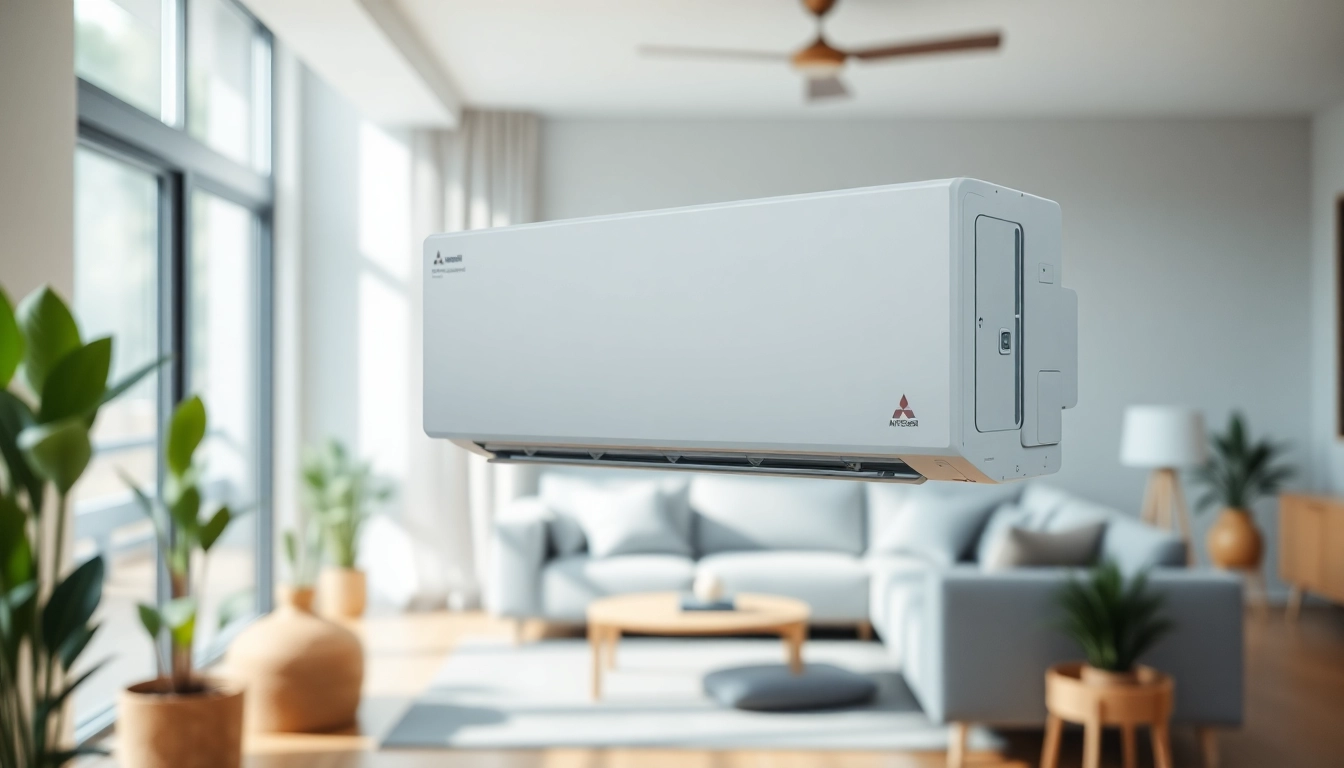
Understanding Mitsubishi Mini Split AC Systems
What is a Mitsubishi Mini Split AC?
The mitsubishi mini split ac is a type of heating and cooling system that operates without the need for ductwork, making it an excellent choice for homes without existing ducts, newer constructions, or even for retrofitting older buildings. These systems feature separate indoor and outdoor units that are connected by refrigerant lines. This design allows for flexible installation in various configurations, providing a highly efficient way of climate control while maintaining aesthetic appeal.
Key Components of Mini Split Systems
Understanding the components of a mini split system is crucial for maximizing its efficiency and effectiveness. Here are the main parts:
- Indoor Unit: This part is responsible for distributing the conditioned air throughout the room. Mitsubishi offers various styles, including wall-mounted, ceiling-mounted, and floor-mounted units.
- Outdoor Unit: This unit houses the compressor and is positioned outside the home. It works to expel heat absorbed from indoors and can be connected to multiple indoor units.
- Refrigerant Lines: These are insulated copper tubes that transport refrigerant between the indoor and outdoor units. They are essential for the heat exchange process that cools or heats the home.
- Remote Control: Many Mitsubishi mini split systems are equipped with a remote control, providing enhanced convenience for adjusting settings from anywhere in the room.
Advantages of Choosing Mitsubishi Mini Split AC
The mitsubishi mini split ac system offers numerous benefits, making it an attractive option for homeowners:
- Energy Efficiency: Mini split systems typically have higher SEER ratings than traditional air conditioning systems, meaning they consume less energy to produce the same amount of cooling or heating.
- Zonal Cooling and Heating: With the ability to control individual units, these systems allow for personalized comfort in different areas of your home without wasting energy on unoccupied spaces.
- Flexibility in Installation: The absence of ductwork allows for versatile placement options, overcoming numerous design limitations found in traditional systems.
- Quiet Operation: Mitsubishi systems are designed to operate quietly, ensuring that your home remains peaceful while enjoying comfortable temperatures.
- Air Quality Control: Many units come with advanced filtration systems that help reduce allergens, dust, and odors, enhancing overall indoor air quality.
Installation Insights for Mitsubishi Mini Split AC
Professional Installation vs. DIY
When it comes to installing a mitsubishi mini split ac, homeowners often face the decision between professional installation and attempting a DIY approach. While it may be tempting to try and install the system yourself to save on costs, there are significant factors to consider:
- Professional Installation: Hiring a licensed technician can ensure that the system is installed correctly, which is vital for optimal performance and energy efficiency. Professionals not only possess the necessary tools but also have the expertise for complex aspects such as refrigerant charging and electrical work.
- DIY Installation: This can be a cost-effective option if you have prior experience or solid technical skills. However, improper installation can lead to operational issues, higher energy costs, and potentially void warranties.
Essential Installation Steps for Homeowners
If opting for DIY installation, here are some essential steps to follow:
- Choose the Right Location: Position the indoor unit where it can effectively distribute air while avoiding direct sunlight or drafts.
- Prepare the Installation Area: Ensure that the wall—both interior and exterior—is suitable for supporting the unit while making provisions for the refrigerant lines.
- Mount the Indoor Unit: Use the provided bracket to securely mount the indoor unit. Level it to ensure proper drainage of condensate.
- Install the Outdoor Unit: Place the outdoor unit on a flat, stable surface away from obstructions. Ensure adequate clearance for airflow and maintenance access.
- Connect Refrigerant Lines: Carefully connect the insulated refrigerant lines and electrical components, following the manufacturer’s instructions.
- Test the System: Before using the unit, thoroughly check all connections and ensure the system starts without any issues.
Common Mistakes to Avoid when Installing
To prevent common pitfalls, here is a list of mistakes to avoid:
- Inadequate Insulation: Failing to properly insulate refrigerant lines can lead to energy loss and decrease efficiency.
- Improper Sizing of Units: Installing a unit that is too small or too large for the space can lead to inefficient operation and increased wear and tear.
- Location Errors: Positioning the indoor unit in an area with poor airflow or beneath obstacles will hamper its performance.
- Neglecting Local Codes: Always be aware of local building codes and regulations, as non-compliance can cause issues during installation or future inspections.
Energy Efficiency and Mitsubishi Mini Split AC
Understanding SEER Ratings
Seasonal Energy Efficiency Ratio (SEER) ratings measure the cooling output of an air conditioning system divided by the energy it consumes over a specific season. For the mitsubishi mini split ac, SEER ratings typically range from 16 to 30+, meaning higher numbers equal better efficiency. Systems with higher SEER values may have a higher upfront cost but offer substantial long-term savings on energy bills.
How to Maximize Energy Savings
To fully exploit the energy-saving potential of a Mitsubishi mini split system, consider the following tips:
- Set the Thermostat Wisely: Use programmable settings to avoid overcooling or heating when the space is unoccupied.
- Regular Maintenance: Scheduling annual professional maintenance ensures optimal operation, keeping the system energy-efficient.
- Utilize Energy-Saving Modes: Most systems have energy-saving modes that optimize performance without compromising comfort.
Comparing Energy Costs with Traditional Units
When comparing the energy costs of a mitsubishi mini split ac with traditional HVAC units, it’s crucial to consider both the SEER rating and expected usage. Mini splits typically provide significant reductions in energy consumption, especially in homes where cooling is needed intermittently. Most homeowners report monthly savings of up to 30% or more compared to conventional systems, particularly in areas where duct losses account for substantial inefficiencies.
Maintaining Your Mitsubishi Mini Split AC
Routine Maintenance Practices
To extend the lifespan of your Mitsubishi mini split AC and maintain its efficiency, regular maintenance is essential. Here are some recommended practices:
- Cleaning Filters: Regularly check and clean or replace the filters—ideally once every month during the cooling season.
- Coil Cleaning: Keeping the indoor and outdoor coils clean prevents airflow restrictions and optimizes heat exchange. Coil cleaning can usually be performed by removing the cover and gently washing with water.
- Outdoor Unit Maintenance: Ensure that the outdoor unit is free from debris such as leaves or dirt. Clearing a few feet around the unit can support airflow.
Signs that Your System Needs Service
Being aware of performance changes can alert you to potential issues requiring attention:
- Strange Noises: Any unusual sounds like grinding or hissing could indicate an impending failure.
- Inconsistent Cooling: If certain areas of your home are no longer getting adequate cooling, a professional inspection may be warranted.
- Increased Energy Bills: A sudden spike in your energy bill may signal inefficiencies in your unit that need addressing.
Professional vs. DIY Maintenance Tips
Key differences exist between professional and DIY maintenance approaches. Professionals have knowledge and tools to perform in-depth system checks, calibrating controls, tuning the system for efficiency, and handling refrigerants responsibly. On the other hand, homeowners can handle minor routine tasks like cleaning the filters and checking the settings. Employing a combination of both methods can achieve the best results for maintaining your Mitsubishi mini split AC.
FAQs About Mitsubishi Mini Split AC Systems
How does a Mitsubishi Mini Split AC work?
Mitsubishi mini split AC systems utilize an indoor and outdoor unit connected by refrigerant lines, providing both cooling and heating through efficient heat exchange.
What size Mitsubishi Mini Split AC do I need?
The required size depends on your space’s square footage and insulation; consulting a sizing guide or HVAC professional ensures an accurate assessment to meet your cooling needs.
How often should a Mitsubishi Mini Split AC be serviced?
Regular service is recommended annually to maintain efficiency, ensure longevity, and optimize system performance against potential issues.
Can a Mitsubishi Mini Split AC heat my home?
Yes, many Mitsubishi mini split AC systems feature heat pump technology, providing efficient heating in addition to cooling capabilities.
Are Mitsubishi Mini Split AC systems loud?
These systems are designed to operate quietly, producing sound levels significantly lower than traditional HVAC systems, enhancing comfort during operation.