Understanding Oscilloscope Technologies
In the world of electronic testing and signal analysis, oscilloscopes serve as indispensable tools for both professionals and enthusiasts. They allow users to visualize electrical signals, making it easier to diagnose problems and optimize systems. There are two primary types of oscilloscopes: digital and analog, each with its unique features and applications. Choosing the right oscilloscope can significantly impact the efficiency and accuracy of your work. When exploring options, digital vs analog oscilloscope comparisons can provide comprehensive insights into their capabilities and suited applications.
What is a Digital Oscilloscope?
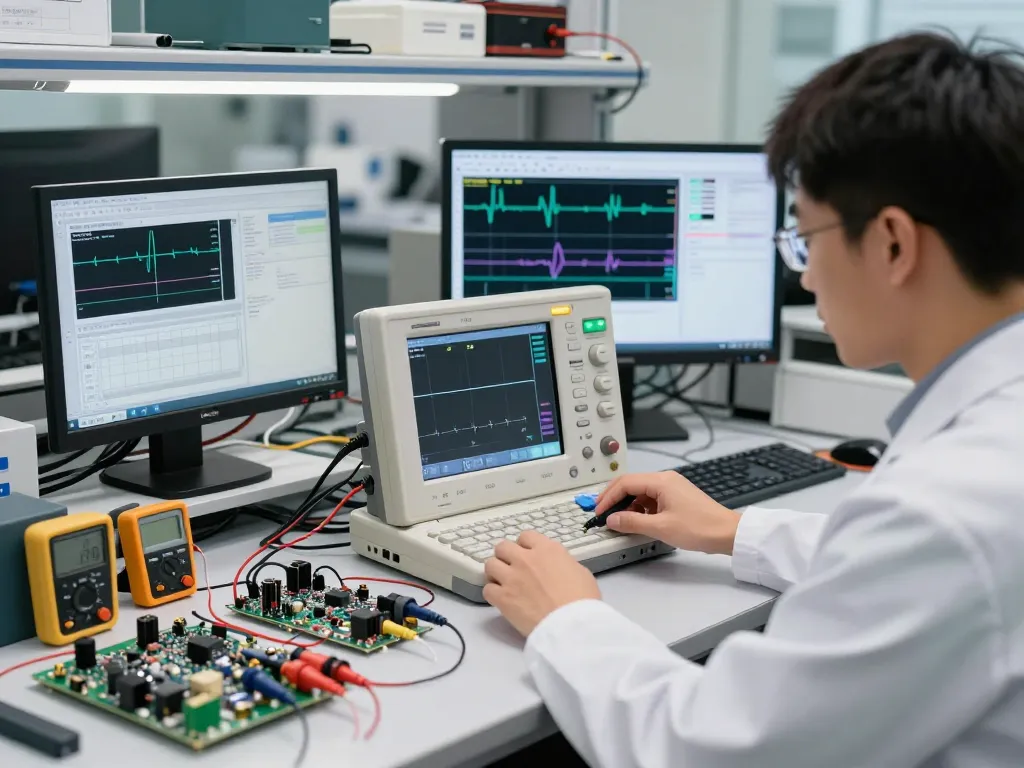
A digital oscilloscope captures and processes signals using analog-to-digital converters (ADCs). This technology allows it to display waveforms on a digital screen, making it easier to analyze complex signals. Digital oscilloscopes often come with advanced features such as automatic measurements, waveform storage, and analysis functions. They can process signals rapidly and offer functionalities that can be customized via software, enhancing their versatility in various testing environments. Digital oscilloscopes are ideal for applications that require precision and the ability to handle intricate waveforms.
What is an Analog Oscilloscope?
Analog oscilloscopes, on the other hand, utilize cathode-ray tubes (CRTs) to display waveforms directly. These devices show real-time signal variations on a phosphorescent screen, providing a continuous representation of the signal. While they may not offer the advanced features of digital models, many users appreciate their simplicity and intuitive operation. Analog oscilloscopes are particularly effective for visualizing high-frequency signals and are often favored in educational settings for practical demonstrations.
Key Differences Between Digital and Analog Oscilloscopes
- Signal Processing: Digital oscilloscopes process signals via digitization, allowing for complex waveforms to be analyzed with precision, while analog oscilloscopes depict signals in real-time without processing delays.
- Display Quality: Digital oscilloscopes generally provide clearer and more detailed displays, often with a variety of measurement tools embedded in the software.
- Functionality: Digital models can perform a range of automated measurements and analyses, including FFT (Fast Fourier Transform), whereas analog scopes rely on manual adjustments and calculations.
- Cost: Generally, analog oscilloscopes are more affordable than digital counterparts but lack the versatility and advanced features found in modern digital oscilloscopes.
Comparative Analysis of Performance
Signal Clarity and Accuracy
When it comes to signal clarity, digital oscilloscopes excel due to their ability to sample signals at various rates, capturing rapid fluctuations that can be lost in analog oscilloscopes. The precision of digital oscilloscopes enhances measurements, making them suitable for high-stakes environments such as laboratories and R&D facilities. Analog oscilloscopes shine in displaying simple waveforms in real time, which is particularly useful for engineers who need quick visual feedback.
Features and Functionalities
Digital oscilloscopes offer an extensive range of features, including storage capacity for waveforms, digital filtering capabilities, and the ability to interface with computers for further analysis. Additionally, many digital oscilloscopes feature multiple channels, allowing for the observation of several signals simultaneously, which is invaluable in complex testing scenarios. On the other hand, analog oscilloscopes tend to focus on providing a straightforward, user-friendly experience, suitable for basic troubleshooting tasks.
Cost-Effectiveness and Value
From a cost perspective, analog oscilloscopes typically come at a lower price point compared to digital oscilloscopes. This makes them attractive for educational institutions and DIY hobbyists who may not require the extensive features of a digital model. However, the initial savings can be offset by the digital oscilloscope’s higher accuracy and expanded capabilities, which may prove more cost-effective in the long run for professionals and businesses engaged in advanced electronic testing.
Applications in Various Fields
Engineering and Development
Engineers rely heavily on oscilloscopes to develop and test electronic circuits. Digital oscilloscopes are the preferred choice in most engineering applications due to their ability to capture and store complex waveforms, making them more suitable for tasks that demand precision and depth of analysis. Advanced digital features allow engineers to conduct experiments and modifications efficiently, leading to faster product development cycles.
Education and Learning Environments
In educational settings, analog oscilloscopes provide a foundation for understanding basic electronic principles through direct waveform visualization. They are often used in introductory courses to teach students about signal behavior without the distractions of complex digital functionalities. However, many institutions are integrating digital oscilloscopes into their curricula to expose students to modern technology and prepare them for real-world applications.
Hobbyist and DIY Usage
For hobbyists, the choice between digital and analog oscilloscopes often depends on the complexity of their projects. Beginners may start with an analog oscilloscope to grasp the fundamentals, while more experienced users might prefer the features of a digital oscilloscope that offer versatility for more intricate electronics work, such as robotics or microcontroller projects.
Choosing the Right Oscilloscope
Identifying User Needs and Applications
When selecting an oscilloscope, it is crucial to assess your specific needs and the types of signals you will be working with. Considerations should include bandwidth requirements, the number of channels needed, and whether advanced features such as FFT or waveform generation are essential for your applications. Users focused on basic tasks might find an analog oscilloscope fulfilling, while those involved in advanced signal analysis should gravitate towards digital options.
Best Practices for Selection
- Assess Applications: Determine the primary use-case scenarios for the oscilloscope, whether for engineering, education, or hobbyist purposes.
- Consider Budget: Balance cost against functionality. Sometimes, investing in a slightly higher-priced model can result in significant benefits.
- Seek User Reviews: Research customer feedback to understand the performance and reliability of specific models before making a decision.
Future Trends in Oscilloscope Technology
The future of oscilloscopes appears promising, with advancements aimed at enhancing user experience and functionality. Modern digital oscilloscopes are increasingly incorporating machine learning algorithms for better signal interpretation and automated diagnostics. As technology continues to evolve, oscilloscopes are expected to integrate seamlessly with other diagnostic tools and IoT devices, providing users with comprehensive signal analysis solutions.
Frequently Asked Questions
What are the main advantages of digital oscilloscopes?
Digital oscilloscopes offer higher accuracy, advanced measurement capabilities, and the ability to store and analyze waveforms, making them suitable for complex applications. They also provide features that enhance the user experience, such as color-coded displays and advanced triggering options.
When should I use an analog oscilloscope?
If you need real-time waveform visualization and simple signal analysis, an analog oscilloscope could be more beneficial. They are particularly effective for observing analog signals in educational environments or straightforward troubleshooting tasks.
How to determine the best oscilloscope for my projects?
Assess your specific needs based on the type of projects you plan to undertake. Consider factors such as signal frequency, complexity, and whether you require automated features or real-time visualization. Prioritize oscilloscopes that offer the bandwidth and channels necessary for your applications.
Are there significant maintenance differences between digital and analog oscilloscopes?
Digital oscilloscopes may require software updates and occasional calibration, while analog oscilloscopes typically require less maintenance but may need periodic checks on the CRT and analog circuitry. Understanding these differences can aid in long-term usability and reliability.
Which type of oscilloscope is better for learning and education?
Brought together, both types hold educational value. Analog oscilloscopes are excellent for grasping fundamental concepts, whereas digital oscilloscopes provide insights into modern electronic testing methodologies and are often preferred for advanced studies.