The Evolution of Fashion Trends in 2026
The world of fashion is ever-evolving, continuously reflecting the cultural shifts, technological advancements, and the collective consciousness of society. As we dive into 2026, we notice a marked transformation in how fashion is perceived and consumed. The rise of sustainability, the impact of digital technology, and shifts in consumer behavior have all played a pivotal role in shaping the current trends. With a focus on inclusivity and individuality, today’s fashion landscape is more vibrant than ever, making it important for enthusiasts to keep abreast of these developments. For comprehensive insights into fashion, understanding these influences helps in navigating the complexities of modern style.
Understanding Current Fashion Influences
Fashion in 2026 is profoundly influenced by global events, social movements, and the ongoing dialogue about identity and expression. The pandemic, for instance, has led to a reevaluation of what clothing means in terms of comfort, practicality, and self-expression. Influencers across various platforms, especially TikTok and Instagram, are pivotal in shaping these trends, creating a direct line between designers and consumers that hasn’t existed before.
Moreover, current political climates have encouraged a focus on ethical fashion, with awareness surrounding labor practices and environmental impacts shaping consumer choices. As shoppers become more conscientious, brands that prioritize transparency and sustainability are seeing significant growth.
How Social Media Shapes Fashion Choices
Social media has transformed the fashion landscape, acting as both a marketing tool and a means of immediate consumer feedback. Platforms like Instagram showcase the latest trends in real-time, while TikTok allows for a more interactive and engaging experience where users can recreate looks or start challenges. The ability to share content instantly has also fostered a culture of micro-influencers who resonate more deeply with niche audiences. This democratization of fashion knowledge allows for a broader representation of styles and ideas.
Moreover, user-generated content has become a significant aspect of marketing strategies, with brands leveraging authentic customer experiences to appeal more effectively to target demographics. This shift indicates a movement away from traditional advertising towards a more personalized approach, with consumers seeking brands that align with their values and lifestyles.
Key Fashion Styles to Embrace in 2026
With the evolving dynamics of fashion, certain styles are gaining traction as must-haves for 2026. The emphasis on individual expression is paramount, leading to a diverse range of core wardrobe essentials that cater to various tastes and preferences.
Popular Color Palettes and Fabrics
This year, color palettes reflect the serenity and chaos of modern life. Earth tones such as olive green, clay, and soft browns dominate, promoting a return to nature amidst urban chaos. These colors are often paired with vibrant accents of teal, mustard yellow, and coral, reflecting a nuanced approach to styling that champions both calmness and vitality.
Fabrics are also evolving, with a shift towards sustainable materials. Organic cotton, Tencel, and recycled polyester are favored, combining eco-friendliness with comfort and style. The texture plays a significant role, with layering of different materials becoming a trend, allowing for both visual intrigue and adaptability to changing weather conditions.
Core Wardrobe Essentials for Every Fashionista
The core wardrobe for 2026 embraces versatility and functionality. Essential pieces include:
- Oversized Blazers: Perfect for layering and transitioning from office to casual outings.
- Utility Pants: Tailored yet comfortable, embodying the spirit of practicality.
- Chunky Sneakers: A nod to nostalgia, offering both comfort and trendy appeal.
- Maxi Dresses: Versatile for various occasions and flattering across body types.
These essentials not only provide a stylish foundation but also encourage a mix-and-match approach that keeps the wardrobe fresh and exciting.
Footwear Trends You Can’t Ignore
Footwear in 2026 is all about comfort meeting style. Key trends include:
- Platform Shoes: Giving height without sacrificing comfort, platforms are back in a big way.
- Eco-Friendly Footwear: Brands are increasingly creating shoes from sustainable materials.
- Sporty Sandals: Merging fashion with functionality, these sandals are perfect for summer outings.
Choosing the right footwear can elevate any outfit, making it essential to stay informed about the latest styles and innovations.
Fashion Accessories: The Finishing Touches
Accessories remain integral to personal style, capable of transforming an outfit from ordinary to extraordinary. The year 2026 sees several trends dominating the accessory landscape.
Statement Jewelry That Makes an Impact
Bold statement pieces are in vogue, from oversized earrings to chunky necklaces that reflect individuality. Jewelry designers are experimenting with unconventional materials and designs. Layering different styles and textures adds a unique flair to any ensemble, allowing individuals to express their personality through their accessory choices.
Must-Have Bags and Purses for the Modern Look
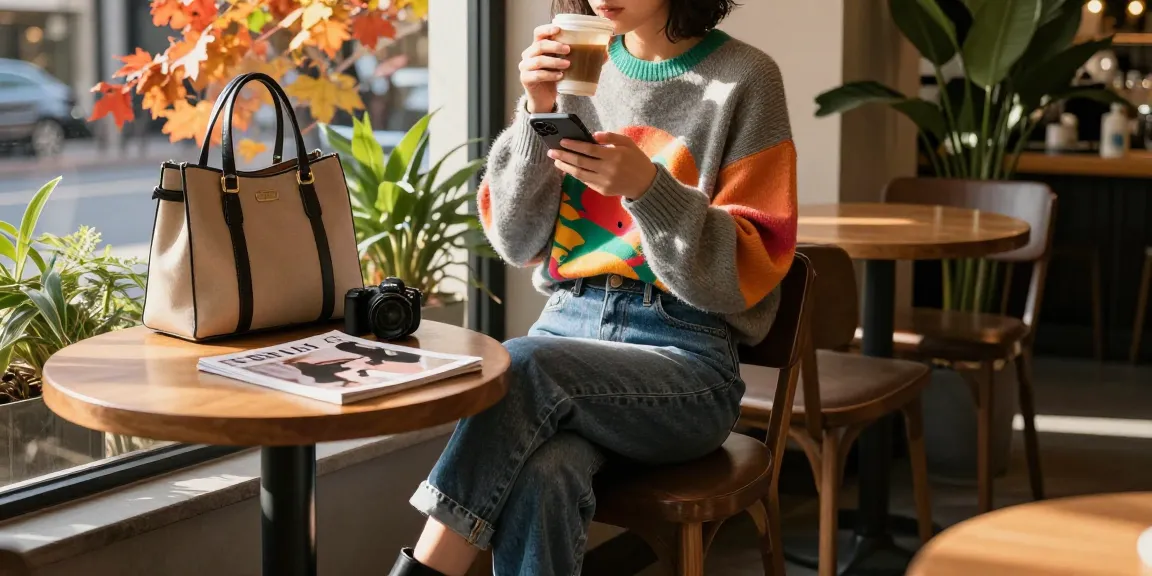
Bags this season are not just functional but also serve as focal points of an outfit. The rise of mini bags is notable, offering a playful yet chic addition to any look. Additionally, tote bags made from recycled materials are gaining popularity among eco-conscious consumers, combining practicality with sustainability.
How to Choose the Right Accessories for Your Outfit
Choosing the right accessories involves harmonizing style and function. Consider the following tips:
- Balance: If your outfit is bold, opt for simpler accessories to avoid overwhelming your look.
- Occasion: Tailor your accessories to the event—formal settings may call for more understated styles.
- Layering: Experiment with different layers of jewelry to create a more dynamic appearance.
Accessories can make a significant difference, and being mindful of their selection enhances overall style.
Fashion Sustainability: A Growing Necessity
Sustainability is no longer just a trend but a necessary movement within the fashion industry. With increasing awareness of environmental issues, brands and consumers alike are adopting practices that reflect a commitment to sustainability.
The Shift Towards Sustainable Materials
In 2026, the shift towards sustainable materials is more pronounced than ever. New developments in fabric technology are allowing brands to produce items from recycled and biodegradable materials, significantly reducing their ecological footprint. Innovations like lab-grown leather and bio-fabricated textiles are exciting new frontiers in sustainable fashion.
Brands Leading the Eco-Friendly Charge
Several brands are at the forefront of the sustainability movement, exemplifying how fashion can evolve without harming the planet. Brands like Stella McCartney and Reformation are celebrated for their ethical practices and dedication to transparency, while newer startups focus on innovative materials that reduce reliance on traditional manufacturing processes.
Tips for Creating a Sustainable Wardrobe
Building a sustainable wardrobe involves thoughtful choices. Here are some tips:
- Invest in Quality: Choose high-quality pieces that will last longer, reducing the need for frequent replacements.
- Thrift and Vintage: Shopping second-hand not only supports sustainability but also provides unique style finds.
- Capsule Wardrobe: Consider curating a capsule wardrobe, where versatile pieces can be mixed and matched, reducing overall consumption.
Adopting these practices not only benefits the planet but can also elevate personal style through conscious choices.
Future Predictions: What’s Next for Fashion?
The future of fashion is an exciting landscape combining artistry, technology, and sustainability. As we look ahead, several predictions stand out as key drivers of change in the industry.
The Rise of Virtual Fashion Shows
The pandemic accelerated the shift towards digital platforms for fashion showcases. Virtual fashion shows, which allow for greater accessibility and global participation, are expected to become the norm. This evolution not only reduces carbon footprints associated with traditional shows but also opens new avenues for creative expression.
Technological Advances in Fabric and Wearables
Technological advancements are paving the way for innovative fabric developments. We can anticipate fabrics that adapt to temperature and moisture levels, enhancing comfort while offering performance. Wearable technology, such as clothes with built-in sensors, will further redefine how we interact with fashion. These advancements will blur the lines between style, utility, and health.
Cultural Shifts Shaping Tomorrow’s Fashion
As societal attitudes continue to evolve, so too will the narratives around fashion. Inclusivity, diversity, and representation are becoming central to fashion discussions, ensuring that future designs reflect a broader spectrum of identities and experiences. This cultural shift will push designers to create collections that celebrate individuality rather than conform to conventional beauty standards.
In conclusion, the fashion landscape of 2026 is vibrant and multifaceted, reflecting the complexities of modern life. With a focus on sustainability, individuality, and technological innovation, the industry is poised for significant transformation, offering exciting opportunities for designers and consumers alike. Engaging actively with these changes not only enhances one’s personal style but also contributes to a more sustainable and inclusive fashion future.