
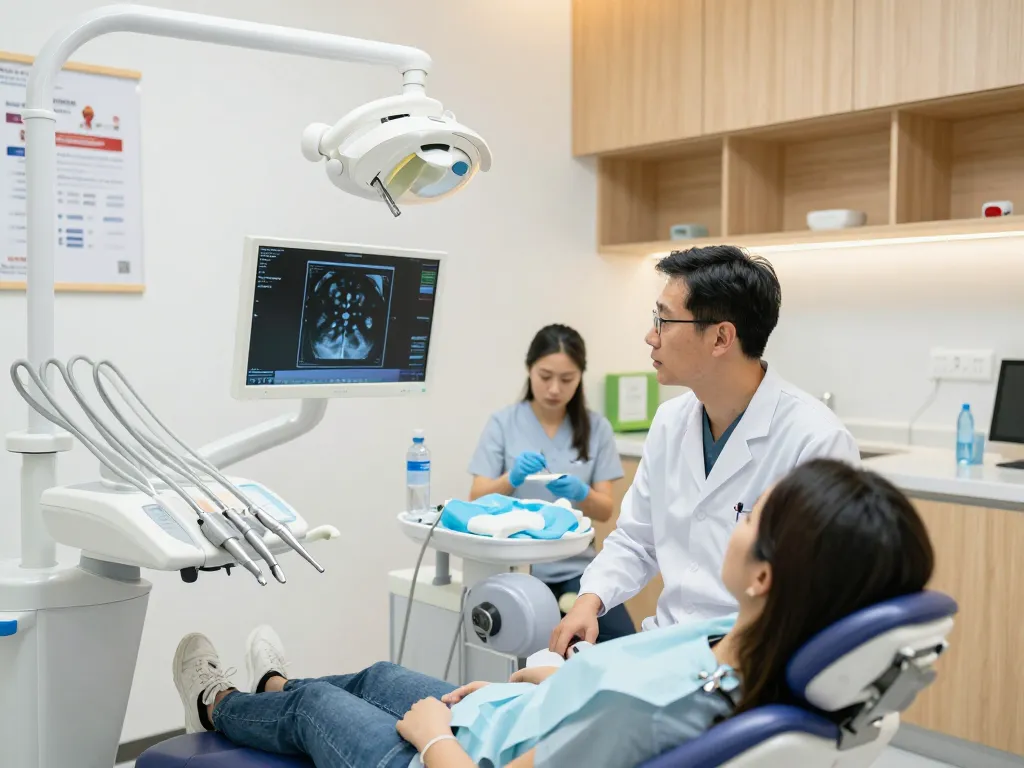
Understanding the Importance of Dentist Tips
In the ever-evolving field of dentistry, staying informed about the latest practices and advice is vital for both practitioners and patients. Dentist tips are not just about improving one’s oral hygiene; they encompass a wide range of insights designed to enhance overall dental health and prevent common issues. As we look toward 2026, understanding the significance of regular dental visits, preventive care, and debunking misconceptions becomes increasingly crucial.
Why Regular Dental Visits Are Crucial?
Regular dental check-ups play a critical role in maintaining oral health. These visits allow dentists to identify problems such as cavities, gum disease, and even oral cancers at an early stage. Studies have shown that patients who maintain regular dental appointments are less likely to require extensive treatments. Furthermore, these appointments serve as an opportunity for professional cleanings, which can remove plaque that regular brushing and flossing might miss.
The Role of Preventive Care in Modern Dentistry
Preventive care includes a variety of practices that help avoid dental problems before they start. This can range from routine cleanings and fluoride treatments to dental sealants, especially for children. Dentists emphasize the importance of educating patients about preventive measures, as prevention is often more effective—and affordable—than treatment. Additionally, advancements in technology have made it easier to integrate preventive care into standard dental practices, contributing to improved patient outcomes.
Common Misconceptions About Dental Health
There are plenty of misconceptions surrounding oral health that can lead to poor dental practices. For example, some believe that brushing harder will clean teeth better, but this can actually harm enamel and gums. Others might think that if they have no pain, they do not need to visit a dentist. Overcoming these myths through education is essential for fostering better habits in patients.
Top Dentist Tips for Daily Oral Care
Implementing effective daily oral care routines can significantly impact long-term dental health. Here are some critical tips recommended by dentists for maintaining optimal oral hygiene.
Effective Brushing Techniques You Should Know
Brushing twice a day is fundamental, but the technique matters just as much. Dentists advise using a soft-bristled toothbrush and fluoride toothpaste to effectively remove plaque without damaging gums. The proper technique involves a 45-degree angle towards the gum line, using gentle and circular motions, and spending at least two minutes brushing to cover all areas of the mouth. Don’t forget to replace your toothbrush every three to four months!
The Importance of Flossing and How to Do It Right
Flossing is often overlooked, yet it is crucial for removing food particles and plaque between teeth that a toothbrush cannot reach. Dentists recommend flossing at least once a day, preferably before bedtime. Proper technique is essential; a gentle sawing motion helps slide floss between teeth, while creating a C-shape around each tooth allows for thorough cleaning.
Choosing the Best Dental Products for Your Needs
With an abundance of dental products available, choosing the right ones can be daunting. Look for products that have the American Dental Association (ADA) seal of approval, indicating they have met rigorous standards for safety and effectiveness. Additionally, consider your specific dental needs—such as sensitivity or gum health—when selecting toothpaste and mouthwash.
Advanced Technology in Dentistry: What You Need to Know
Modern dentistry is on the cusp of revolutionary changes due to technological advancements that enhance patient care and treatment efficacy. Here are some notable innovations worth exploring.
How Digital X-rays Enhance Patient Care
Digital X-rays represent a significant advancement in dental imaging. They require less radiation than traditional X-rays and provide instant images that can be easily shared with patients. This immediate feedback allows for better communication and more informed decision-making regarding treatment options.
The Impact of Laser Dentistry on Treatments
Laser dentistry has gained popularity for its precision and efficiency in treating various dental issues, including gum disease and cavities. Lasers minimize discomfort and reduce recovery time significantly compared to traditional methods. Dentists trained in laser technology can offer patients a more comfortable experience while achieving effective results.
Trends in Dental Technology for 2026
Looking ahead, one can expect continued growth in artificial intelligence (AI) applications within dentistry. AI can help in diagnostic processes, treatment planning, and even personalized patient outreach. Moreover, developments in teledentistry are making it easier for patients to receive consultations remotely, significantly expanding access to dental care.
Practicing Good Oral Hygiene at Home
Maintaining oral health extends beyond the dental office. Implementing a thorough home care routine is crucial for prevention and overall dental well-being.
Creating an Effective Daily Oral Care Routine
Establishing a consistent oral care routine can be straightforward. Start with brushing twice daily and flossing at least once. Additionally, consider incorporating mouthwash into your routine to further reduce bacteria and maintain fresh breath. It’s also beneficial to keep dental care products within reach to encourage frequent use.
Dietary Tips for Maintaining Healthy Teeth
Your diet plays a pivotal role in your oral health. Consuming a balanced diet rich in calcium and vitamins helps strengthen your teeth and gums. Foods like cheese, leafy greens, and crunchy fruits and vegetables can promote better dental health. Conversely, limiting sugary snacks and beverages is crucial, as sugar is a primary contributor to tooth decay.
The Impact of Lifestyle Choices on Oral Health
Lifestyle choices such as smoking and excessive alcohol consumption can negatively affect oral health. Smoking is linked to gum disease, while heavy alcohol use can lead to dry mouth and increased risk of tooth decay. Adopting healthier habits can improve not only your dental health but also your overall well-being.
Emerging Trends and Future Insights in Dentistry
The landscape of dentistry is evolving rapidly, and staying informed about emerging trends is vital for dental professionals and patients alike.
Predicting the Future of Dental Care Practices
As we approach 2026, the emphasis on personalized patient care is likely to deepen. Tailored treatment plans that consider individual genetic factors and lifestyle choices could become the norm. This patient-centric approach aims to maximize outcomes and satisfaction.
How AI and Robotics Will Change Dentistry
AI and robotics are positioned to transform the field by enhancing diagnostic accuracy and automating routine tasks. From patient record management to assisting in surgeries, technology will augment the dentist’s capabilities and improve efficiency in treatment delivery.
Consumer Expectations for Dental Services in 2026
Patients are becoming more informed and expect high standards of care, transparency, and personalized service. Dentists will need to adapt by providing excellent communication, accommodating patient preferences, and offering innovative treatment options that align with these expectations.
What are common dentist tips for healthy teeth?
Common dentist tips include regular brushing and flossing, using fluoride toothpaste, visiting the dentist regularly, and maintaining a balanced diet. Each of these practices plays a crucial role in ensuring long-term dental health.
How do dentist tips evolve in modern practices?
With advancements in technology and a better understanding of oral health, dentist tips have become more focused on prevention and education. Modern practices emphasize the importance of individualized care and consider factors such as lifestyle and genetics.
What are the best preventive dentist tips?
The most effective preventive dentist tips include regular cleanings, the use of sealants and fluoride treatments, and maintaining a strong home care routine with brushing and flossing. Additionally, understanding dietary impacts on oral health is crucial for prevention.
How often should I consult my dentist?
Generally, it is recommended to consult with your dentist every six months for routine examinations and cleanings. However, individuals with specific dental concerns may need more frequent visits.
What dentist tips can help manage dental anxiety?
To manage dental anxiety, dentists may suggest techniques such as deep breathing exercises, visiting during quieter times, or employing sedation options. Building a trusting relationship with your dentist can also alleviate fears.