
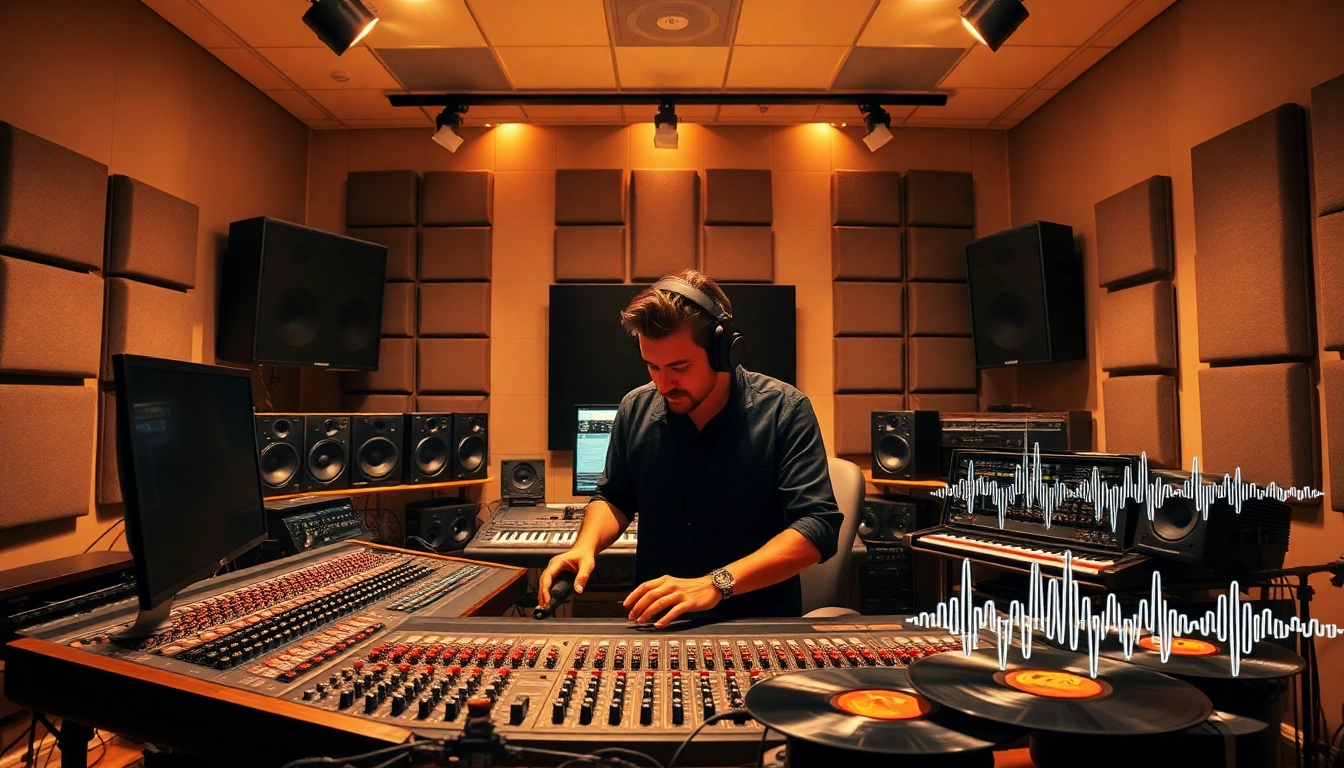
Understanding Online Mastering Services
Definition and Importance
Online mastering services have revolutionized the way musicians and audio engineers finalize their music tracks. Mastering is the last step in the production process, where the final mix goes through a series of enhancements to ensure it is polished and ready for distribution. The importance of mastering cannot be overstated; it ensures that the track meets industry standards, sounds great across all playback systems, and captures the listener’s attention. In the digital age, utilizing online mastering services offers unparalleled convenience and access to professional quality without the geographical constraints of traditional studios.
How Online Mastering Works
Online mastering involves several key steps, typically conducted by experienced audio engineers who specialize in finalizing tracks. Musicians upload their completed mixes to an online platform, where the mastering engineer reviews the material. Using advanced software and tools, they apply adjustments such as equalization, compression, limiting, and stereo widening, ensuring the sound translates well across different media—from streaming platforms to vinyl records. The result is a final master that captures the essence of the recording while enhancing overall sound quality.
Key Benefits of Using These Services
1. Cost-Effectiveness: Many online mastering services are more budget-friendly than traditional studio options, enabling independent musicians to access top-notch mastering without breaking the bank.
2. Accessibility: Artists can find reputable services from around the world, providing flexibility in choosing a mastering engineer who aligns with their sound.
3. Turnaround Speed: Online platforms often promise quicker processing times, allowing artists to receive their mastered tracks in days instead of weeks.
4. Transparency: Many services provide detailed reports on the mastering process, allowing clients to understand the adjustments made to their tracks better.
Choosing the Right Online Mastering Service
Essential Features to Look For
When selecting an online mastering service, look for the following features:
- Quality Assurance: Ensure the service showcases high-quality samples of their previous work.
- User-Friendly Interface: The platform should be easy to navigate, allowing simple uploads and communications.
- Customization Options: The ability to choose mastering preferences or engage in direct communication with the engineer is a plus.
- Support Services: Look for customer support for any inquiries or issues that may arise during the process.
Comparing Pricing Models
Pricing for online mastering varies widely. Some services charge per track, while others offer subscription models or packages for multiple tracks. It’s essential to consider the overall value rather than just the price point—assess the quality and breadth of services offered. Many platforms provide tiered pricing and a variety of service levels, ranging from basic to advanced options, ensuring that you can find an arrangement that fits your budget without compromising on quality.
Evaluating Turnaround Times
Turnaround times can significantly impact your release schedule. Some online mastering services promise same-day delivery, while others might take a week or more for a more refined approach. It’s crucial to set expectations upfront. Check reviews and testimonials regarding how reliable a service is concerning their promised timelines. Faster isn’t always better; ensure that you balance speed with the quality of service you require for your track.
Common Challenges in Online Mastering
Addressing Quality Concerns
Despite the convenience of online mastering, artists often worry about the quality of the final product. To mitigate these concerns, it’s essential to listen to sample tracks from the mastering services you are considering. Additionally, reading reviews from peer artists who have previously used these services can provide insight into the quality and reliability you can expect. Many platforms offer a revision process, allowing artists to fine-tune the output to their liking.
Overcoming Technical Issues
Technical hurdles like file format errors or size limitations can arise when uploading your track. To address these issues, familiarize yourself with the specifications required by the mastering service beforehand. Generally, lossless formats like WAV or AIFF are preferred because they maintain audio integrity. Make sure to check your internet connection as well to avoid upload failures.
Client Miscommunication Strategies
Misunderstandings can occur when the client and mastering engineer are not on the same page regarding expectations. To minimize this risk, provide clear, detailed information with your project. Articulate your artistic vision, reference tracks, and any specific elements you want to emphasize in the mastering process. Establishing open communication channels can also facilitate better collaboration.
Best Practices for Working with Online Mastering Services
Preparing Your Tracks for Mastering
Proper preparation is key to achieving a successful master. Ensure your mix is as polished as possible before sending it off for mastering. Avoid excessive compression during mixing to allow the mastering engineer ample headroom to work. You might also consider creating a reference mix that embodies the sound you are aiming for to share with your mastering engineer.
Effective Communication with Engineers
Clear communication with your mastering engineer can greatly enhance the final product. Be specific about your expectations and any references you wish to emulate. Consider providing notes on elements such as dynamics, loudness, and tonal balance. Regular updates during the process can also keep both parties aligned regarding the track’s desired outcome.
Reviewing and Iterating on Mastering Edits
Once you receive the first draft of your mastered track, take time to review it on various playback devices, from headphones to car stereos. This will give you an idea of how the track translates across different environments. Provide constructive feedback to the engineer, and don’t hesitate to request revisions, which are often part of the service package. Iteration is critical to ensure the final master aligns with your artistic vision.
Measuring Success After Mastering
Understanding Sound Quality Metrics
After finalizing your mastered track, it’s essential to assess its quality using metrics like loudness, dynamic range, and frequency response. Tools like LUFS (Loudness Units Full Scale) can help you measure loudness levels, which is crucial for ensuring your track competes well in the streaming landscape. A balanced dynamic range will maintain the track’s integrity while appealing to listeners.
Gathering Feedback from Listeners
One of the most effective ways to measure the success of your mastered track is to gather listener feedback. Sharing the track with trusted peers can provide valuable insights into how it resonates with your target audience. Consider conducting surveys or focus groups for more structured feedback to help refine your artistic approach in the future.
Analyzing Streaming Performance
Once the track is released, pay attention to streaming metrics such as play counts, listener retention, and engagement rates. Platforms like Spotify or Apple Music provide analytics that can inform you about how well your audience is receiving the track. Trends in listener behavior can guide your future projects and mastering choices.
Frequently Asked Questions
What is online mastering?
Online mastering is the final step in music production, where audio tracks are optimized for playback across various media and formats using online services.
How long does online mastering take?
Turnaround times vary by service. Some offer same-day options, while others may take a week or more, depending on the complexity of the project.
How much do online mastering services cost?
Costs can vary widely, with prices ranging from $20 to several hundred dollars per track, depending on the level of service and expertise required.
Can I request revisions after mastering?
Yes, most online mastering services offer a revision process, allowing you to request changes until the final product meets your expectations.
What file formats are best for mastering?
Lossless formats like WAV or AIFF are recommended for mastering due to their superior audio quality and detail retention.
