
Introduction to Cape Cod Homes
Cape Cod homes embody a unique blend of charm, functionality, and historical significance. Originating from the New England region, these homes gained popularity for their practical design suited to the coastal environment. Characterized by their steep roofs and simple aesthetics, they stand as a testament to American architectural heritage. This article will delve deep into the various facets of cape cod homes, covering their historical significance, architectural features, modern adaptations, and more.
Historical Significance of Cape Cod Homes
The architectural roots of Cape Cod homes date back to the 17th century, originally designed to withstand the harsh New England weather. Early settlers built these homes using local materials, primarily wood and stone. The structure’s design reflects a purpose-driven approach, integrating practicality with aesthetic appeal. Over the years, they transformed from humble dwellings into a symbol of coastal living and American nostalgia.
As colonial architecture evolved, so too did the Cape Cod style, adapting features from other architectural movements while maintaining its core essence. This adaptability has allowed Cape Cod homes to remain relevant and desirable across generations, offering modern amenities without sacrificing their historical charm.
Architectural Features that Define Cape Cod Homes
One of the defining features of Cape Cod homes is their steeply pitched roofs, typically gable style, which efficiently sheds snow and rain. The symmetrical facade is a hallmark, often highlighting a centered front door flanked by evenly spaced windows. Dormer windows provide additional light and space while adding to the home’s character.
Furthermore, natural materials like wood siding, shingles, and stone are commonly used, emphasizing the harmony with the surrounding landscape. Inside, Cape Cod homes usually feature a central chimney, straightforward floor plans, and cozy living spaces designed for family gatherings.
Modern Adaptations in Cape Cod Homes
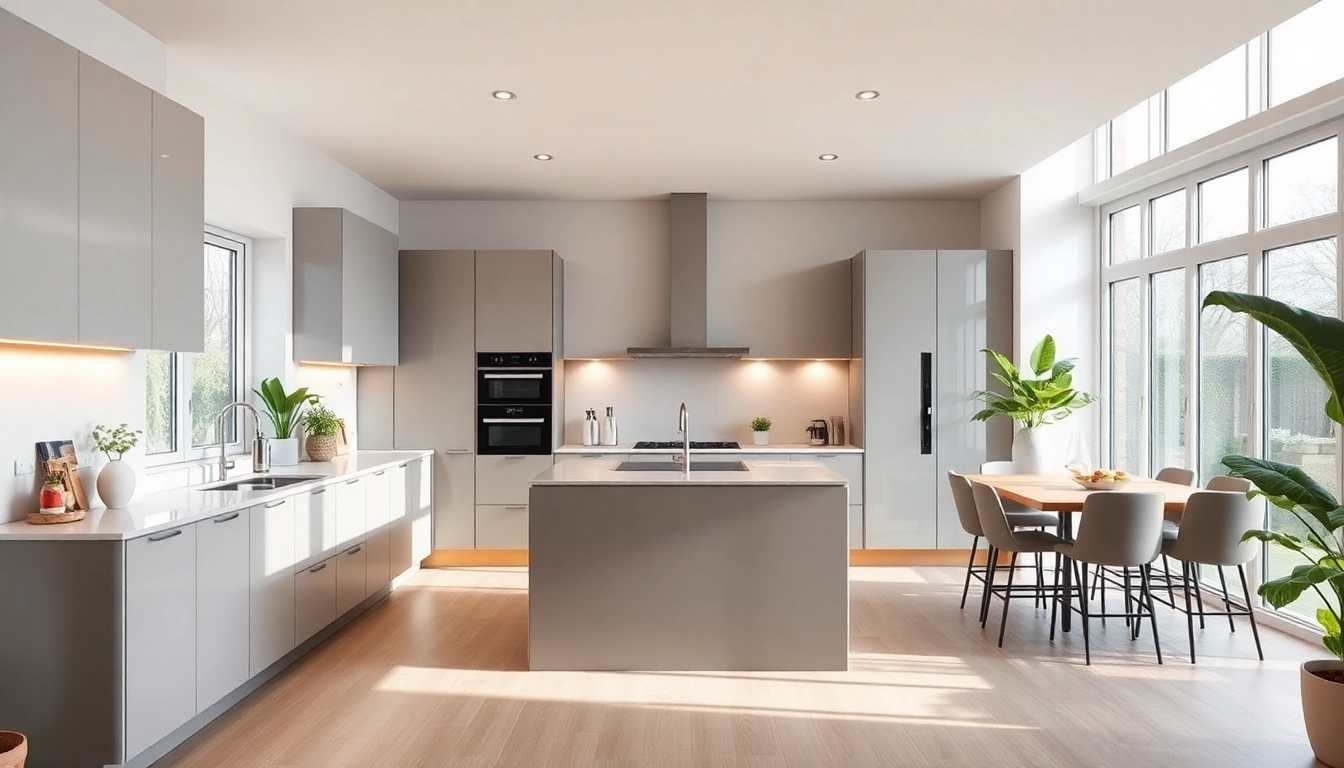
Modern Cape Cod homes reflect contemporary lifestyles while honoring traditional elements. Open floor plans are increasingly popular, enhancing the flow between living, dining, and kitchen areas. Sleek, energy-efficient windows and sustainable materials are often incorporated, aligning with eco-friendly building trends.
Homeowners are also embracing innovative layouts, including expanded garages and multi-functional spaces to accommodate modern needs. The blend of traditional exteriors with contemporary interiors creates a practical yet aesthetically pleasing living environment.
Key Features of Cape Cod Homes
Exterior Designs and Materials
Exterior design is critical in defining the character of Cape Cod homes. Traditional designs prominently feature clapboard or shingle siding painted in soft hues, enhancing the natural surroundings. The use of dormers and front porches provides both function and aesthetic appeal, adding to the charm of Cape Cod architecture.
Material choice additionally plays a pivotal role; from cedar shingle roofs that weather beautifully over time to energy-efficient windows that maximize light, every element is chosen for its durability and style.
Interior Layouts and Common Spaces
The interior of Cape Cod homes typically embodies comfort and simplicity. Most layouts include a central hallway that connects various rooms, promoting accessibility and ease of movement. Spacious living areas designed for gathering are common, ensuring a welcoming atmosphere.
Common spaces, such as living rooms and dining areas, often feature exposed beams and fireplace mantels that reflect the home’s historical roots. Since these homes value practicality, built-in shelving and storage solutions are seamlessly integrated into the design, aiding in organization without compromising aesthetics.
Landscaping Around Cape Cod Homes
Landscaping is crucial for enhancing the visual appeal and setting of Cape Cod homes. Traditional gardens often incorporate native plants and flowers, which complement the natural environment while minimizing maintenance. Hardscaping with stone walkways, patios, and retaining walls adds structure and functionality to outdoor spaces.
Additionally, outdoor living areas with decks or porches provide homeowners with spaces to enjoy their surroundings while increasing the livable area of the home. This integration of landscape and architecture is vital in creating a cohesive living experience.
Building and Renovating Cape Cod Homes
Choosing the Right Location
Location is paramount when considering building or renovating a Cape Cod home. Proximity to the coastline, access to local amenities, and landscape features are essential factors. Coastal locations not only provide stunning views but also present challenges like erosion and moisture management, demanding careful planning.
Understanding local zoning laws and community regulations is equally vital, ensuring that the design aligns with adjacent properties and the character of the area.
Working with Architects and Designers
Collaborating with architects and designers who specialize in Cape Cod homes can significantly enhance the building or renovation process. These professionals bring a wealth of knowledge, incorporating regional architectural styles and eco-friendly materials into modern designs. They ensure that homeowners’ tastes are reflected while maintaining the integrity of the Cape Cod style.
It’s crucial to involve designers early in the process, allowing them to help optimize layouts, select appropriate materials, and navigate the aesthetic choices that resonate with the unique characteristics of Cape Cod architecture.
Cost Considerations in Cape Cod Homes
Building or renovating a Cape Cod home involves numerous cost considerations. Budgeting for site preparation, materials, labor, and potential permits is essential. Additionally, costs can vary widely based on location, the complexity of the project, and the chosen features.
Homeowners should consider investing in energy-efficient solutions, as they can lead to long-term savings on utility bills while increasing the home’s overall value. Engaging with experienced professionals can provide a more accurate estimate and help allocate resources effectively.
Maintaining Cape Cod Homes
Seasonal Maintenance Tips
Proper maintenance is essential to preserve the beauty and integrity of Cape Cod homes. Seasonal checks should include inspecting the roof for wear and tear, cleaning gutters to allow proper drainage, and evaluating the exterior for signs of rot or damage, particularly in wooded areas.
During winter, ensuring proper insulation is crucial to prevent heat loss. In spring and fall, routines should focus on clearing debris from outdoor spaces and performing general upkeep that protects the structures throughout changing seasons.
Renovations for Improved Energy Efficiency
As the focus on sustainability grows, many homeowners consider renovations that enhance energy efficiency. Upgrading insulation, installing energy-efficient windows, and utilizing solar panels are effective strategies that reduce energy consumption while maintaining the home’s character.
It’s advisable to consult with sustainability experts or home energy auditors who can assess current energy use and recommend targeted improvements for maximizing efficiency.
Preserving Architectural Integrity
When renovating a Cape Cod home, preserving architectural integrity is crucial. This involves respecting and restoring classic features such as original woodwork, window styles, and layout designs. Careful restoration helps maintain the home’s historical charm while integrating necessary modern updates.
Using period-appropriate materials and methods not only enhances aesthetic appeal but also ensures that the home’s character reflects its lineage, contributing to the overall value and authenticity of Cape Cod architecture.
FAQs about Cape Cod Homes
What defines a Cape Cod home?
Cape Cod homes are characterized by steep roofs, dormer windows, and a symmetrical facade, blending charm and functionality.
Are there modern designs for Cape Cod homes?
Yes, modern Cape Cod homes often incorporate open floor plans and contemporary materials while retaining classic features.
What materials are commonly used in Cape Cod homes?
Traditional Cape Cod homes utilize wood siding, shingles, and stone, while modern designs may include fiberglass and metal.
How do I maintain my Cape Cod home?
Regular maintenance includes checking for weather damage, cleaning gutters, and ensuring proper drainage to protect the structure.
Can I remodel a Cape Cod home?
Remodeling is feasible; many homeowners upgrade insulation, modernize layouts, and enhance energy efficiency while keeping original elements.