Understanding Cabinet Refacing Largo FL
Cabinet refacing has emerged as a practical solution for homeowners looking to rejuvenate their kitchens without the hefty price tag of a full cabinet replacement. In Cabinet Refacing Largo FL, residents can transform their spaces, enhancing both aesthetic appeal and functionality. This method offers the perfect blend of style and cost-effectiveness, allowing homeowners to upgrade the look of their cabinets while preserving the underlying structure.
What is Cabinet Refacing?
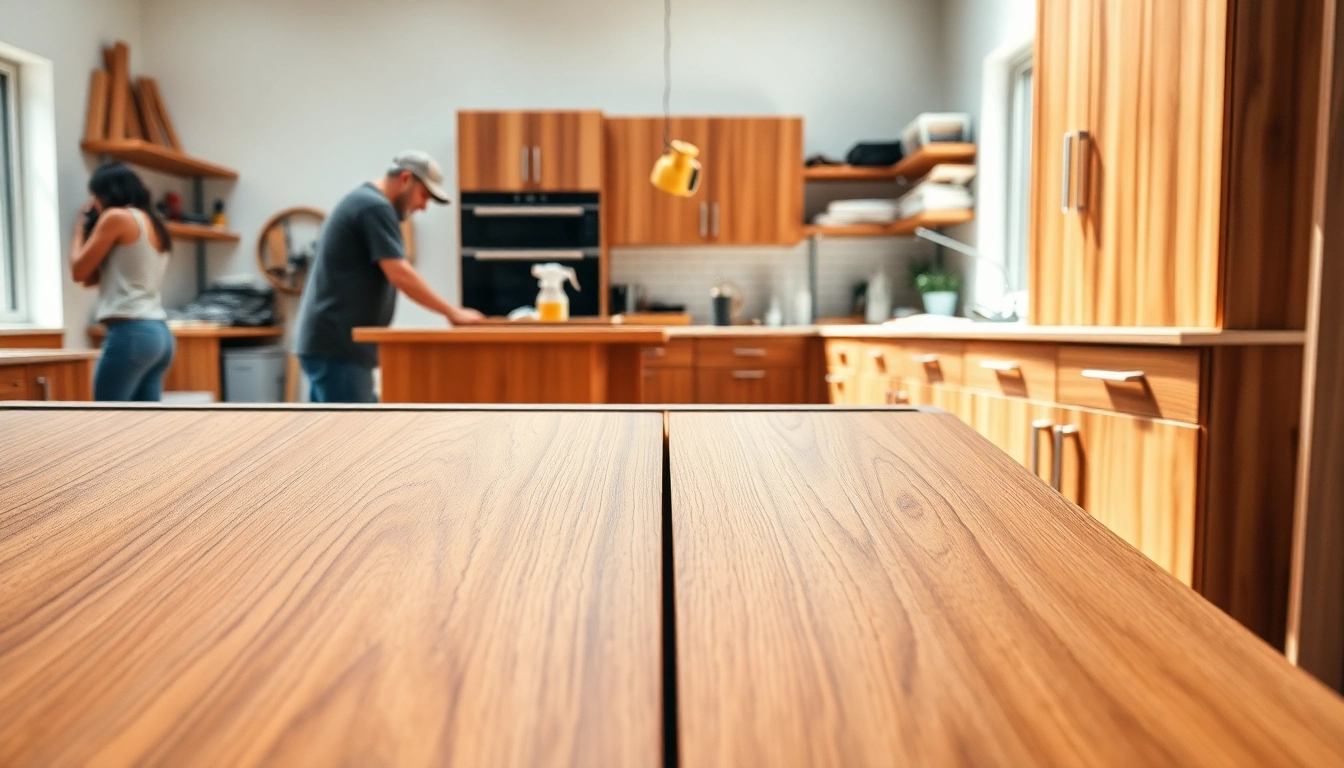
Cabinet refacing involves replacing the exterior components of existing cabinets while leaving the original framework intact. This process typically includes replacing cabinet doors, drawer fronts, and hardware, as well as applying a new veneer to the visible surfaces. By focusing on the aesthetics of the cabinets and reusing the existing structure, cabinet refacing minimizes waste and conserves resources, making it an eco-friendly choice for home renovations.
Benefits of Cabinet Refacing
- Cost-Effective: Compared to full cabinet replacement, refacing is significantly less expensive, often saving homeowners up to 50%.
- Time-Saving: The process generally takes less time than a complete remodel, often completed within a few days.
- Eco-Friendly: Refacing minimizes landfill waste by reusing existing cabinet structures.
- Variety of Styles: Homeowners can choose from a wide range of finishes and colors, allowing them to achieve a custom look.
- Increased Home Value: A refreshed kitchen can boost the overall value of your home, making it more appealing to potential buyers.
Design Trends in Cabinet Refacing
With ever-evolving design trends, cabinet refacing provides an opportunity to keep up with modern aesthetics. Popular trends currently include:
- Minimalist Designs: Clean lines, neutral colors, and a lack of ornate details create a soothing and spacious feel.
- Dark Finishes: Rich colors like navy blue and charcoal gray are gaining popularity, making spaces feel sophisticated and modern.
- Open Shelving: Combining refaced cabinets with open shelves creates a light and airy atmosphere, allowing for easy access to dishware.
- Natural Textures: Incorporating wood grains and textures in refaced cabinets adds warmth and authenticity to contemporary kitchens.
How Cabinet Refacing Works
The Refacing Process Explained
The cabinet refacing process generally follows these steps:
- Assessment: A detailed evaluation of the existing cabinets is performed to identify required repairs and design preferences.
- Material Selection: Homeowners choose from various materials, finishes, and colors to match their style.
- Preparation: The area is prepared by removing cabinet doors, drawer fronts, and any hardware.
- Application: New veneers are applied to the cabinet frames, followed by installation of the selected doors and hardware.
- Final Touches: Any necessary adjustments are made to ensure a perfect fit, resulting in a refreshed and cohesive look.
Materials Used in Cabinet Refacing
When it comes to cabinet refacing, selecting the right materials plays a crucial role in achieving both durability and aesthetics. Common materials include:
- Veneers: Thin layers of real wood or high-quality laminate are popular for their visual appeal and ease of application.
- Solid Wood: For a more premium finish, solid wood doors can be used, providing exceptional beauty and longevity.
- Composite Materials: Engineered materials offer versatility with various finishes while often being more affordable than solid wood.
- Hardware: Updated knobs, handles, and hinges can dramatically transform the cabinet look and feel, adding a personal touch.
DIY vs. Professional Cabinet Refacing
Deciding between a DIY approach and hiring a professional for cabinet refacing comes down to experience, skill level, and desired outcomes:
- DIY: For those who are handy and enjoy home improvement projects, DIY refacing can be a rewarding way to save money. However, it requires careful planning, patience, and a basic understanding of cabinetry.
- Professional: Hiring professionals ensures a high-quality finish and efficient workflow. It's particularly advisable for intricate designs or when structural modifications are involved. Moreover, professionals often provide warranties for their work, offering peace of mind.
Choosing the Right Style for Your Cabinets
Popular Styles for Cabinet Refacing
Choosing the right style for refacing can greatly influence the overall aesthetic of your space. Consider these popular options:
- Traditional: Emphasizes intricate moldings and classic finishes, ideal for a timeless look.
- Modern: Simple, clean lines with minimal ornamentation; typically features flat-panel doors.
- Rustic: Characterized by natural materials and a cozy, inviting vibe, often featuring distressed finishes.
- Transitional: A blend of both traditional and modern styles, offering flexibility in design.
Color and Finish Options
Color and finish play a vital role in cabinet refacing. Popular color choices include:
- White: Brightens spaces and enhances a clean, modern aesthetic.
- Gray: A versatile neutral that pairs well with various designs and materials.
- Bold Colors: Deep hues like emerald green or navy add a statement element to any kitchen.
- Natural Wood Finishes: Highlighting wood grain promotes warmth and authenticity, especially in rustic themes.
Choosing Hardware to Match
The right hardware can complete the transformation of refaced cabinets. Here are tips for choosing the best options:
- Style Matching: Ensure hardware complements the cabinet style. For instance, sleek handles enhance modern cabinets, while ornate knobs suit traditional designs.
- Finish Coordination: Consider matching the finish of your hardware (e.g., brushed nickel, oil-rubbed bronze) with other kitchen elements.
- Size and Scale: Select hardware that's proportionate to the cabinet size for visual balance.
Cost Considerations for Cabinet Refacing Largo FL
Price Factors in Cabinet Refacing
The cost of cabinet refacing can vary widely based on several factors, including:
- Materials: The type of materials selected significantly affects the overall cost. Premium materials will increase the total.
- Project Size: Larger kitchens will naturally incur more costs due to the number of cabinets involved.
- Labor Costs: Professional installation can contribute to the budget, particularly in regions with high labor costs.
- Design Complexity: Custom designs or intricate finishes may require additional labor and materials, driving up prices.
Budgeting Tips for Your Project
When planning a cabinet refacing project, developing a clear budget is essential. Here are some tips to keep expenses in check:
- Get Multiple Quotes: Request estimates from several contractors to compare pricing and services.
- Determine Your Must-Haves: Prioritize the features and materials that matter most to avoid overspending on unnecessary upgrades.
- Consider DIY Elements: Taking on manageable tasks yourself can help reduce labor costs.
- Plan for Contingencies: Set aside an additional 10-20% of your budget for unexpected expenses that may arise.
Cost vs. Value: Long-term Benefits
While upfront costs are a crucial consideration, it's important to weigh these against the long-term value of cabinet refacing. Advantages include:
- Increased Home Value: A modern and appealing kitchen can significantly enhance property marketability.
- Longevity: Quality materials and craftsmanship can extend the life of your cabinets, making refacing a wise investment.
- Energy Efficiency: New doors and hardware can improve energy efficiency, leading to lower utility costs.
- Personal Satisfaction: A well-refaced kitchen contributes to overall home enjoyment and satisfaction, positively affecting your lifestyle.
Frequently Asked Questions about Cabinet Refacing
How long does the cabinet refacing process take?
The entire cabinet refacing process typically takes between 3 to 5 days depending on the project size and complexity.
Can I choose custom colors and finishes?
Yes, many cabinet refacing services offer a wide variety of colors and finishes, including custom options to suit your taste.
Is cabinet refacing suitable for all types of cabinets?
Yes, cabinet refacing is versatile and can typically be applied to most cabinet types, providing they are structurally sound.
What maintenance is required after refacing?
Post-refacing maintenance involves regular cleaning and occasional adjustments of hardware to ensure longevity and performance.
How does cabinet refacing compare to replacement?
Cabinet refacing is less expensive and faster than replacement, allowing homeowners to achieve a new look without the hassle of full removal.