
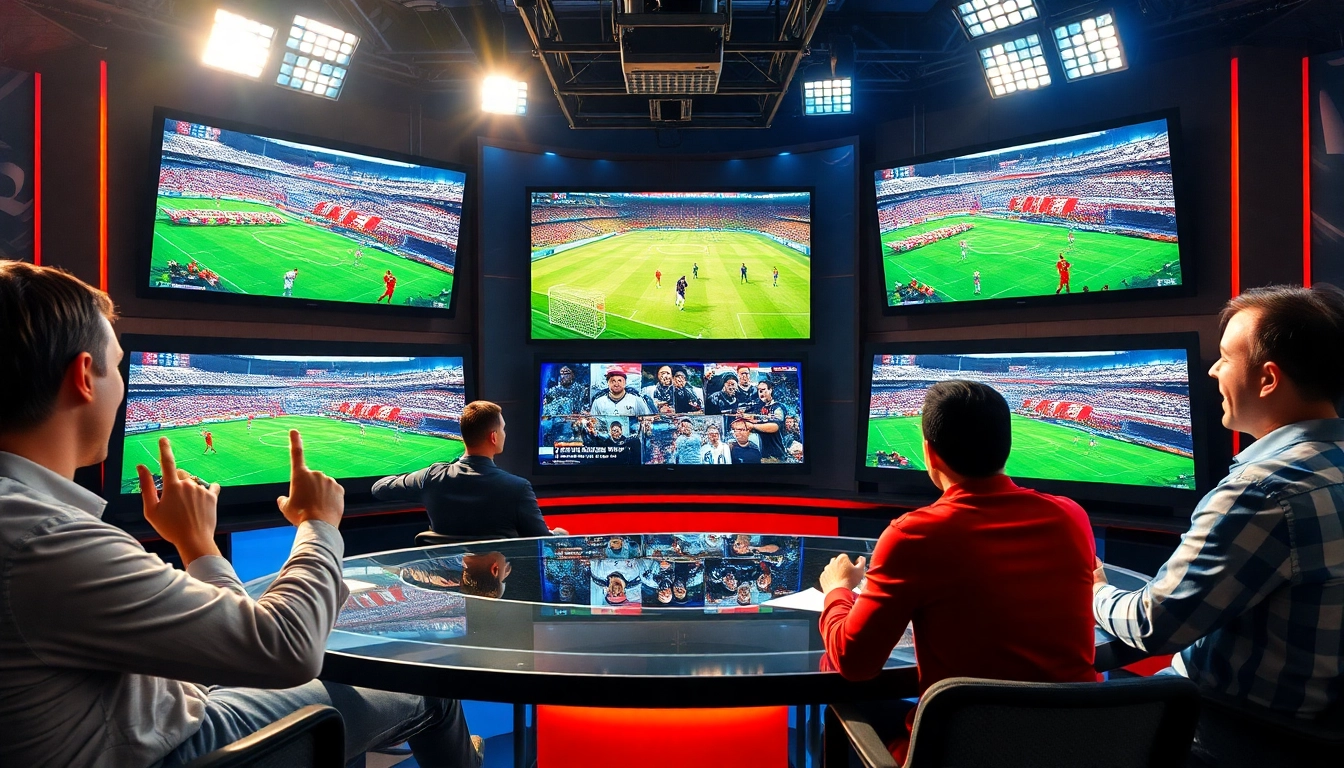
Understanding the Basics of Sports Broadcasting
The Evolution of Sports Broadcasting
Sports broadcasting has come a long way since its inception. Initially, radio broadcasts began in the early 20th century, allowing fans to listen to live sports events from the comfort of their homes. The introduction of television in the 1940s ushered in a new era, providing a visual element that dramatically changed the experience for viewers. Over the decades, satellite and cable television expanded viewing options, and now, with the advent of the internet, Sports Broadcasting has reached unparalleled heights of accessibility and interactivity.
The broadcasting landscape has been shaped by technology and consumer demand. For instance, the shift from traditional, linear broadcasting to on-demand, streaming services mirrors the broader trend in media consumption. This change has enabled viewers to watch their favorite sports anytime and anywhere, demanding a more agile and innovative broadcasting strategy.
Types of Sports Broadcasting Platforms
Sports broadcasting is offered through various platforms, each catering to different audience preferences. Traditional television networks remain dominant, with channels dedicated solely to sports content. Cable and satellite providers offer subscriptions that include numerous sports channels. Conversely, the rise of digital platforms has transformed the industry. Streaming services like OTT (Over-The-Top) platforms allow fans to watch live sports without the need for cable subscriptions. Social media platforms are also playing a significant role, as they provide instant updates, live streams, and highlight reels, engaging audiences directly.
The emergence of niche broadcasting services has allowed for a more personalized viewer experience. For example, some platforms focus exclusively on specific sports or leagues, offering tailored content that might not be available through mainstream channels. This differentiation is essential in today’s competitive landscape, where capturing audience attention is paramount.
Key Roles in Sports Broadcasting
Successful sports broadcasting relies on a multitude of professionals working in tandem. Key roles include sports commentators, producers, camera operators, and analysts. Commentators are responsible for delivering live, engaging commentary that keeps viewers informed and entertained. Producers oversee the entire broadcast operation, ensuring that content aligns with audience expectations and regulatory standards.
Camera operators play a crucial role in capturing the action from various angles, while analysts provide expert insights, breaking down plays, and discussing strategies. The collaboration among these professionals is vital to deliver a seamless and enjoyable viewing experience.
Technologies Powering Sports Broadcasting
Broadcasting Equipment Used Today
The technology behind sports broadcasting has evolved dramatically. High-definition cameras and motion capture technology enable broadcasters to deliver crisper and clearer images. Drones and robotic cameras provide unique vantage points, engaging viewers like never before. In addition, satellite technology ensures that broadcasts can reach far corners of the globe, allowing for international fans to enjoy live events.
Moreover, advancements in audio technology have led to improved sound quality, with surround sound systems immersing viewers in the atmosphere of the event. All these elements contribute to a more dynamic and engaging broadcast, ensuring that viewers feel as though they are part of the experience.
The Role of Streaming Services in Sports Broadcasting
Streaming services are revolutionizing the sports broadcasting industry by providing flexible and accessible viewing options. They allow fans to watch games live or on-demand without the need for cable subscriptions. This shift has led to an increase in viewer engagement, as more people seek to consume content that fits their schedules.
Many sports leagues have begun to establish their own streaming platforms, ensuring they retain control over their content and marketing strategies. This trend not only provides fans with exclusive access but also presents opportunities for innovative advertising and sponsorship models. As consumer preferences evolve, streaming services are adapting, leading to more interactive and engaging sports broadcasts.
Emerging Technologies and Trends
Emerging technologies are set to further change the landscape of sports broadcasting. Virtual reality (VR) and augmented reality (AR) are two significant innovations offering fans a more immersive experience. With VR, users can feel like they’re present at the live event from home. Conversely, AR enhances broadcasts by overlaying digital information onto live sports footage, providing real-time statistics and insights.
Additionally, artificial intelligence (AI) is being integrated into sports broadcasting, improving personalization in content delivery. AI algorithms analyze viewer preferences, tailoring suggestions that keep audiences engaged. As these technologies become more sophisticated, they will likely create an even more engaging and personalized viewing experience.
Content Creation in Sports Broadcasting
Crafting Compelling Commentary
Commentary is a fundamental aspect of sports broadcasting that shapes viewer perceptions and experiences. To craft compelling commentary, broadcasters should focus on clarity, enthusiasm, and knowledge. Providing background information and context can enhance viewer understanding, particularly for complex sports. It’s essential for commentators to connect emotionally with the audience, making each moment count through engaging storytelling.
Moreover, employing a conversational tone can make broadcasts feel more approachable, fostering a sense of community among viewers. Practicing and refining delivery techniques are crucial for broadcasters to maintain energy and identify the right moments to inject excitement or gravitas into their commentary.
Editing and Production Techniques
Behind every successful broadcast is a robust editing and production process. Effective editing enhances the storytelling aspect of broadcasts by ensuring a coherent flow. This includes selecting the most impactful highlights and pacing the segments to maintain viewer interest.
Production techniques also play a vital role, as they dictate how the broadcast is visually represented. Graphic overlays provide real-time stats and context, while sound mixing enhances audio quality. Striking the right balance between visual and auditory elements is key to creating a polished production that captivates viewers.
Creating Engaging Pre- and Post-Game Shows
Pre- and post-game shows are key opportunities for broadcasters to engage audiences. These segments should offer insightful analysis, entertaining discussions, and behind-the-scenes content. By leveraging interactive elements, such as social media polls or fan Q&A sessions, broadcasters can foster real-time viewer participation.
Highlighting key player performances, discussing team strategies, and offering predictions can draw in viewers and create anticipation for the games. Effective storytelling in these segments sets the stage for the events and keeps audiences hooked through the transitions between games.
Legal and Ethical Considerations in Sports Broadcasting
Copyright Issues and Licensing
Copyright regulations play a crucial role in sports broadcasting. Broadcasters must secure the proper licenses to air games and use highlights from events. Failure to comply with copyright laws can lead to significant legal repercussions, making it essential for sports networks to have robust legal frameworks in place.
Licensing agreements can be complex, often involving negotiations with leagues and teams. Understanding these processes is vital to ensure that broadcasts are not only legal but also financially viable, as they often involve considerable investments.
Fairness and Integrity in Broadcasting
Maintaining fairness and integrity is paramount in sports broadcasting. Broadcasters should strive for unbiased coverage, ensuring that their commentary and reporting doesn't favor one team over another. This neutrality fosters trust and respect among audiences, enhancing the credibility of the broadcaster.
Furthermore, ethical considerations involve transparent communication with audiences. It's critical to disclose any conflicts of interest and adhere to principles that promote fairness in how events are presented and discussed.
Reporting Responsibilities and Ethics
Sports broadcasters hold significant responsibilities as they report on events, players, and teams. Ensuring accuracy in reporting is crucial, as misinformation can affect public perception and significantly impact the parties involved. Adhering to ethical standards, which includes respecting player privacy and sensitivity around personal issues, is essential.
Furthermore, the responsible use of social media in reporting can enhance audience interaction while maintaining professionalism. Broadcasters should navigate these platforms with care, providing insights while being vigilant about the potential spread of false information.
Monitoring Success in Sports Broadcasting
Key Performance Indicators (KPIs) to Track
To measure success in sports broadcasting, it’s crucial to track key performance indicators (KPIs). These may include viewer ratings, audience demographics, and engagement levels across platforms. Monitoring live viewership numbers helps identify popular events while analyzing trends in on-demand content can inform future programming decisions.
Additionally, KPIs such as ad revenue per viewer and subscription growth rates give insights into the financial viability of broadcasting operations. This comprehensive analysis enables broadcasters to make proactive adjustments to content and marketing strategies.
Audience Engagement Metrics
Audience engagement metrics are essential for understanding how viewers interact with broadcasts. Key metrics include social media mentions, viewer feedback, and participation in interactive segments. Analyzing these metrics allows broadcasters to grasp what resonates with viewers and what areas may need improvement.
Engagement can also be measured through the use of polls and surveys during broadcasts, enabling real-time insights into viewer opinions and preferences. Understanding these dynamics is critical for crafting future content strategies that align with audience desires.
How to Adjust Strategies Based on Feedback
Adapting broadcasting strategies based on feedback is essential for maintaining relevance. Broadcasters should actively solicit and respond to viewer feedback, whether through surveys, social media interactions, or direct viewer communication.
Implementing changes based on constructive criticism demonstrates responsiveness and respect for the audience, fostering loyalty. Continuous evaluation and adaptation ensure that sports broadcasts remain engaging and aligned with viewer preferences, keeping populations invested in the content.
Frequently Asked Questions
What is Sports Broadcasting?
Sports broadcasting refers to the live transmission or online streaming of sporting events for audiences. It encompasses commentary, analysis, and game coverage.
How has Technology Changed Sports Broadcasting?
Technology has enhanced visuals, introduced streaming capabilities, and improved engagement through interactive features, providing a richer viewer experience.
What Are the Key Roles in Sports Broadcasting?
Essential roles include commentators, producers, camera operators, and analysts, all collaborating to deliver engaging sports content.
Why Is Audience Feedback Important?
Audience feedback helps broadcasters understand viewer preferences, enabling them to adapt content for improved engagement and satisfaction.
What Are Common Legal Issues in Sports Broadcasting?
Common legal issues include copyright infringement and licensing agreements, requiring broadcasters to adhere to laws and secure rights for airing content.