Understanding Casting Nylon: What You Need to Know
Casting Nylon, also known as cast polyamide or nylon 6, is a high-performance thermoplastic that is widely recognized for its superior mechanical properties and resilience. It is particularly well-suited for manufacturing precision components used in various industries. As an engineering plastics manufacturer, Casting Nylon stands out in terms of durability, ease of machining, and versatility, making it a preferred choice over other materials. This article delves into the key characteristics of casting nylon, its applications, and the process of its manufacture.
What is Casting Nylon?
Casting Nylon refers to a specific type of nylon that is produced through a casting process, which helps in achieving a high molecular weight and crystal structure. This process differs significantly from that of extruded nylon, which typically involves melting nylon pellets and forming them into shapes under heat and pressure. The unique properties of casting nylon make it an ideal option for a variety of engineering applications.
Core Applications of Casting Nylon
Due to its robust properties, casting nylon is used in numerous applications, including:
- Industrial Components: Manufacturing gears, bearings, and pulleys due to its wear resistance.
- Aerospace: Used for non-structural components in aircraft.
- Automotive: Components like bushings, brackets, and insulators that require high strength and stability.
- Textile Industry: Production of various textile machinery parts.
Difference Between Casting and Extruded Nylon
Understanding the differences between casting nylon and extruded nylon is crucial for selecting the right type for specific applications. While both materials are made from polyamide, casting nylon generally offers:
- Lower Internal Stress: This leads to better dimensional stability.
- Higher Molecular Weight: Resulting in improved mechanical properties.
- Enhanced Machinability: More forgiving in machining processes compared to extruded varieties.
Manufacturing Process of Casting Nylon
Raw Materials Used in Casting Nylon Production
The primary raw material for casting nylon is caprolactam, which is transformed into nylon through a polymerization process. Other additives, such as colorants and stabilizers, might also be included in the formulation to enhance the properties of the final product.
Step-by-Step Process of Casting Nylon
The manufacturing of casting nylon generally involves the following steps:
- Preparation of Monomers: Caprolactam is melted and mixed with catalysts and activators.
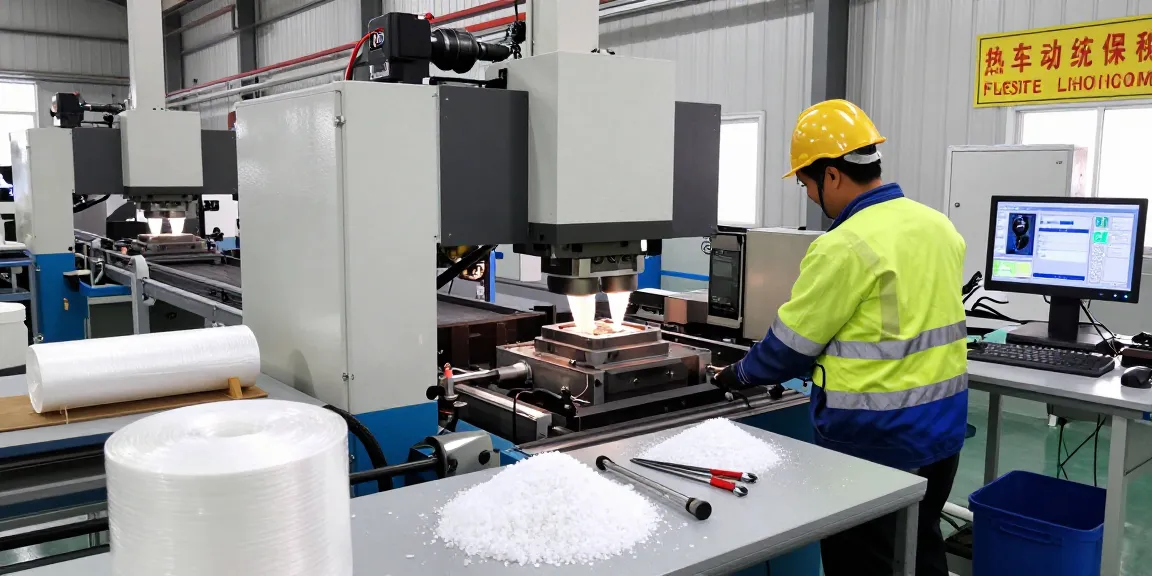
- Casting into Molds: The molten mixture is poured into heated molds.
- Curing Process: The material is allowed to set and cure, usually over a period of 24 hours.
- Finishing: The cast nylon is removed from the molds and may undergo further machining processes to achieve desired dimensions.
Quality Control Measures in Casting Nylon Manufacturing
Ensuring the quality of casting nylon involves rigorous testing at various stages of production. This includes:
- Visual Inspection: Checking for defects or inconsistencies.
- Mechanical Testing: Evaluating properties like tensile strength and impact resistance.
- Dimensional Verification: Ensuring the final product meets specified measurements.
Advantages of Using Casting Nylon in Engineering
Durability and Performance of Casting Nylon
One of the standout features of casting nylon is its remarkable durability. It exhibits superior wear resistance and can handle heavy loads, making it suitable for high-demand applications. The material’s strength is comparable to metals, yet it is significantly lighter.
Cost-Effectiveness of Casting Nylon Solutions
Despite its advanced properties, casting nylon remains a cost-effective choice for manufacturers. The reduced need for machining due to its excellent machinability saves time and resources, while the longevity of casting nylon components leads to lower replacement costs over time.
Customizability and Versatility of Casting Nylon
Casting nylon allows for high levels of customization, enabling manufacturers to produce shapes and sizes tailored to specific requirements. This versatility extends beyond just physical dimensions; it includes options for different colors and mechanical properties, making it suitable for a broad range of applications.
Challenges in the Production of Casting Nylon
Common Misconceptions About Casting Nylon
There are several misconceptions surrounding casting nylon. One common belief is that it is less durable than extruded nylon. In fact, casting nylon typically has better mechanical properties due to its lower internal stresses and higher molecular weight.
Technical Challenges in the Casting Process
The casting process can present challenges, such as:
- Temperature Control: Maintaining the right temperature during the curing process is crucial.
- Mold Design: Proper mold design is essential to avoid defects in the final product.
Mitigating Environmental Impact During Production
As with many manufacturing processes, producing casting nylon can have environmental impacts. Efforts to mitigate these include recycling scrap materials and adopting cleaner production strategies to minimize waste.
Future Innovations in Casting Nylon Technology
Emerging Trends in Engineering Plastics for 2026
The next few years will see significant advancements in the engineering plastics sector, particularly with casting nylon. Innovations may include the development of bio-based nylons and improved formulations that enhance performance while reducing environmental footprints.
Research and Development in Casting Nylon Applications
Ongoing research into the applications of casting nylon will open opportunities in fields such as medical devices, electronics, and renewable energy. The versatility of casting nylon makes it an attractive option for these rapidly evolving industries.
Predictions for the Future of Manufacturing with Casting Nylon
As market demands grow for lighter yet durable materials, casting nylon is positioned to play a central role in future manufacturing. Its adaptability and performance will likely lead to broader adoption across various sectors.
What are the key properties of casting nylon?
Key properties of casting nylon include high tensile strength, excellent wear resistance, low friction characteristics, and good dimensional stability, making it an ideal choice for a multitude of engineering applications.
How is casting nylon different from other nylon types?
Unlike other nylon types, casting nylon is created through a unique process that allows it to achieve a higher molecular weight and less internal stress, resulting in improved mechanical performance and stability.
What industries benefit from casting nylon?
Industries such as automotive, aerospace, manufacturing, and even textiles benefit extensively from casting nylon due to its unique properties and versatility in applications.
What manufacturing techniques are used for casting nylon?
The primary manufacturing technique for casting nylon involves the casting of molten nylon into molds, followed by a curing process that solidifies the material into its final shape.
How does casting nylon compare in sustainability to other materials?
While casting nylon is synthetic, its durability and longevity can lead to lower overall environmental impacts compared to more traditional materials, especially when innovations in sustainable practices are adopted.