Understanding the Value of Custom Conference Tables
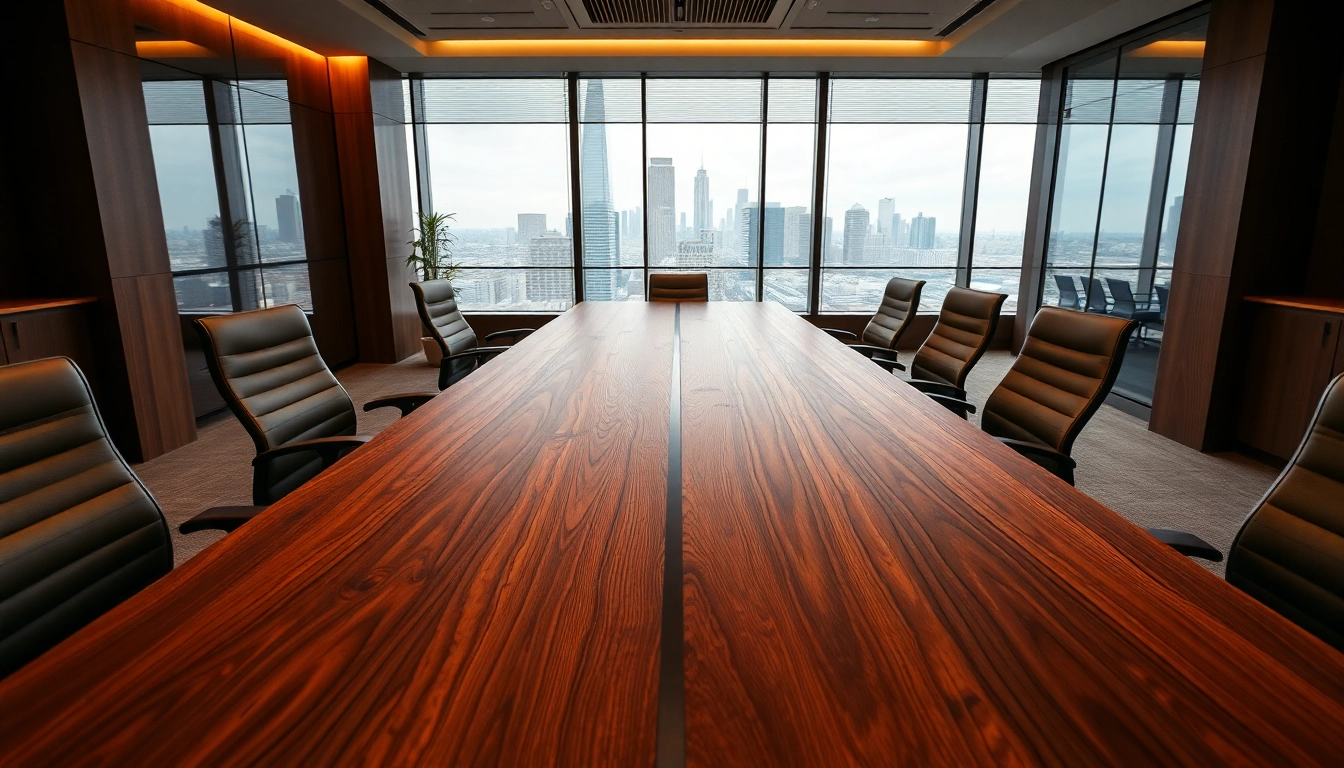
In today’s business landscape, the importance of a well-appointed conference room cannot be overstated. A custom conference table serves not only as a functional centerpiece but also as a statement piece that reflects your company’s identity and values. Whether you are cultivating a collaborative workspace or establishing a formal impression for your clients, the right table can significantly enhance the overall atmosphere. When exploring options, Custom conference table solutions offer tailored designs that meet specific needs, thereby maximizing both form and functionality.
Why Choose Custom Over Off-the-Shelf Solutions?
One of the most compelling reasons to opt for a custom conference table is the ability to design it according to your specific requirements. Off-the-shelf options often come with limited features and may not fit seamlessly into your conference room’s design or dimensions. Custom tables allow you to choose:
- Size that perfectly fits your space
- Shape that fosters a productive environment
- Materials that align with your brand or aesthetic
Furthermore, purchasing a custom conference table can enhance your brand image by showcasing a commitment to quality and craftsmanship, which off-the-shelf solutions simply cannot match.
Potential Benefits for Businesses and Workspaces
Custom conference tables provide a variety of benefits that can significantly impact your business environment:
- Increased Collaboration: Tailored designs can promote team collaboration by facilitating better communication and interaction.
- Enhanced Flexibility: With customization, organizations can create tables that adapt to different meeting styles, accommodating both formal and informal gatherings.
- Improved Functionality: Features such as integrated power sources and cable management systems can enhance the usability of the workspace.
Key Features of Quality Custom Conference Tables
When investing in a custom conference table, it’s essential to look for several distinguishing features:
- Material Quality: Opt for tables made from solid hardwoods, which offer durability and longevity.
- Design Aesthetics: Choose designs that reflect your company’s branding while considering the overall decor of the office space.
- Functionality: Ensure your table includes necessary functionalities such as built-in technology and suitable space for necessary equipment.
Design Considerations for Your Custom Conference Table
Designing your custom conference table is an exciting process that involves multiple decisions to ensure it meets your needs perfectly. Here are the key considerations to keep in mind:
Selecting the Right Size and Shape for Your Space
The first step in custom conference table design is determining the size and shape. This decision should be based on:
- The number of individuals typically involved in meetings
- The available space in your conference room
- The overall layout of the room, including doors, windows, and other furniture
Common shapes for conference tables include rectangular, oval, and round, each providing different social dynamics and functionalities.
Material Options: Wood Species and Finishes Explained
Wood species will have a significant impact on both the aesthetic and the durability of your conference table. Popular choices include:
- Walnut: Known for its rich color and attractive grain.
- Maple: Offers light color and durability.
- White Oak: Provides a rustic charm while being sturdy.
- Hickory: The hardest of the hardwoods, offering excellent strength.
Furthermore, the choice of finish—matte, satin, or gloss—will also affect the visual appeal and maintenance needs of the table.
Incorporating Technology: Power Integration and More
In the digital age, integrating technology into your conference table is crucial. Consider features like:
- Built-in charging ports
- Cable management solutions
- Concealed power outlets for a clean, streamlined look
These technologies not only enhance functionality but also minimize clutter, keeping your conference room organized and professional.
The Customization Process: From Concept to Completion
Creating a custom conference table is a rewarding journey that typically involves several key steps:
Consultation and Initial Design Discussions
The first phase is a consultation with a designer or craftsman who will help outline your vision. During this phase, you’ll discuss:
- Your intended use for the table
- Design preferences and style considerations
- Functionality requirements, such as tech integration
This stage is crucial for ensuring that the final product aligns with your expectations and needs.
Prototyping: Visualizing Your Ideal Table
Once the initial design is finalized, a prototype may be created to give you a tangible sense of the proposed table. This step allows you to:
- Make adjustments before final production
- Ensure the design meets practical needs
- Visualize how the table will fit into your conference space
Finalizing Details: Sizes, Shapes, and Custom Features
The last step involves finalizing the details of your table, including any custom features you desire. You’ll confirm:
- Dimensions based on your conference room layout
- Choice of wood and finish
- Incorporation of any additional functionalities
Once these details are settled, your table will be ready for crafting, marking the transition from concept to reality.
Real-World Applications: Custom Conference Tables in Action
Understanding how custom conference tables can be used effectively in various scenarios is crucial for maximizing their potential. Below are examples of how they can enhance different environments:
Case Studies: Successful Installations in Various Industries
Different industries have different needs when it comes to conference tables. For example:
- Tech companies often require tables that incorporate power integration for laptops and devices while promoting collaboration.
- Healthcare organizations may need larger tables to accommodate multiple participants in meetings designed to discuss patient care and services.
- Hospitality businesses benefit from aesthetically appealing tables that set the tone for client engagements and presentations.
Using Conference Tables to Enhance Corporate Culture
A well-designed custom conference table can significantly enhance corporate culture by fostering collaboration and communication among team members. Companies that prioritize teamwork often choose:
- Shapes that encourage open dialogue
- Materials that reflect brand values
These tables can act as gathering spots that facilitate brainstorming and idea sharing, essential for innovation.
Custom Conference Tables in Hospitality Settings
In hospitality, the ambiance is everything. Custom conference tables that reflect the theme and style of the establishment elevate the guest experience. Thoughtfully designed tables can seamlessly integrate with:
- Restaurant aesthetics
- Hotel conference areas
Moreover, they can be customized for various events, ensuring that each occasion is memorable.
Future Trends in Custom Conference Table Design
The landscape of custom conference table design is evolving, influenced by both technological advancements and aesthetic preferences. Here are notable trends shaping the future:
Sustainability Trends: Eco-Friendly Materials and Practices
As environmental consciousness grows, businesses are increasingly seeking sustainable materials for their furniture. Custom conference tables crafted from:
- Reclaimed wood
- Sustainably sourced hardwoods
These materials not only reduce carbon footprints but also offer unique aesthetic qualities, making each piece one-of-a-kind.
Innovative Technologies: What’s Next for Conference Tables?
As technology continues to evolve, so too does the integration of innovative features into conference tables. Future trends may include:
- Smart tables with built-in touchscreens
- Advanced power integration for wireless charging
Such innovations can enhance productivity and streamline workflows in collaborative settings.
Design Aesthetics of 2026: Modern and Functional Trends
Looking forward to 2026, design aesthetics are gravitating towards minimalism, functionality, and flexibility. Key features expected to dominate include:
- Modular designs that allow for easy reconfiguration
- Colors and finishes that evoke a sense of calm and professionalism
These design trends are set to redefine how we perceive collaborative spaces, emphasizing both utility and comfort.