
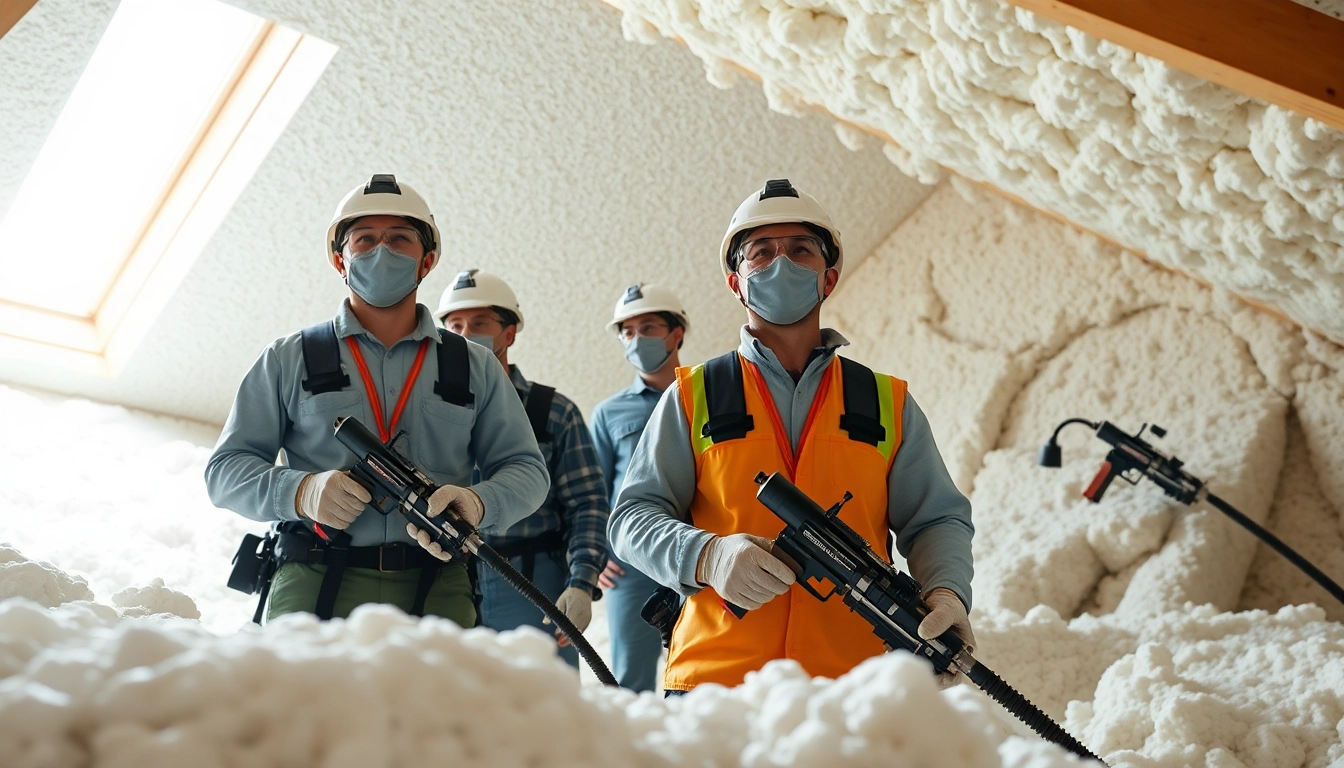
Understanding Spray Foam Removal UK
What is Spray Foam Insulation?
Spray foam insulation is a popular type of insulating material used primarily in residential and commercial buildings due to its superior thermal performance and ability to create an effective air seal. Made from a combination of chemicals that react and expand, spray foam can fill gaps, crevices, and cavities in walls, roofs, and floors, ultimately enhancing energy efficiency and comfort. However, while it offers numerous benefits, there may come a time when removal becomes necessary, leading us to the vital process of spray foam removal UK.
Signs You Need Spray Foam Removal UK
Identifying when to remove spray foam insulation is crucial for maintaining a healthy home environment. Here are several signs indicating that spray foam removal may be needed:
- Mold Growth: The presence of mold indicates moisture problems, often due to improper sealing by the foam.
- Odors: Persistent offensive odors may signal the breakdown of the material or chemical reactions affecting air quality.
- Air Leaks: If air continues to leak despite foam installation, it may hint at poor application or deterioration.
- Structural Damage: Any visible damage to the areas where spray foam is applied suggests a need for removal and inspection.
- Health Issues: If occupants experience allergies or respiratory issues, it is prudent to investigate the insulation.
Common Misconceptions about Spray Foam
With the rise in popularity of spray foam insulation, several misconceptions have emerged:
- It’s Permanent: Most believe spray foam is a permanent solution; however, it can degrade over time and require removal.
- It’s Non-toxic: While some spray foam products are safer than others, exposure to certain chemicals can have health implications.
- DIY Removal is Easy: Many assume that removal is a simple process, but improper tactics can lead to damage and safety hazards.
- All Spray Foam is the Same: Different types of spray foam exist, each with unique properties and purposes; understanding these nuances is essential.
Preparation for Spray Foam Removal UK
Essential Safety Equipment
Before attempting spray foam removal, appropriate safety measures must be taken to protect individuals from potential health risks:
- Respirators: High-efficiency masks are vital to protect against inhaling harmful particles or fumes.
- Safety Goggles: Eye protection is essential to avoid irritation from foam particles.
- Gloves: Durable gloves prevent skin contact with chemicals, which can cause irritation or burns.
- Protective Clothing: Wearing long sleeves and pants minimizes skin exposure.
- Ventilation: Ensure the workspace is well-ventilated to mitigate inhalation risks.
Initial Assessment of the Area
Conducting a thorough assessment of the area before removal is key to planning:
- Inspect for Damage: Identify and assess any structural damage caused by negligence or moisture.
- Identify Foam Type: Different spray foam types require various removal techniques; knowing which type is present is essential.
- Measure Areas: Document the size and extent of foam application to gauge the effort and materials required for removal.
- Location Considerations: Assess accessibility to ensure that necessary tools can be effectively utilized.
Tools Required for Removal
Equipping yourself with the right tools is critical for a successful spray foam removal:
- Utility Knife: A sharp knife or blade helps cut away larger sections of foam.
- Oscillating Multi-Tool: Ideal for detailed and intricate removal in tight spaces.
- Scrapers and Chisels: Utilized for prying off remaining foam from surfaces.
- Paint Stripper: May assist in loosening the adhesive properties of the foam.
- Vacuum: A wet/dry vacuum helps in cleanup, ensuring the area is free of debris.
Step-by-Step Spray Foam Removal UK Process
Effective Techniques for Safe Removal
Executing spray foam removal effectively ensures safety and eliminates potential hazards:
- Cut the Foam: Start by cutting the foam away from the surface using a utility knife; make sure to cut deep enough to reach the underlying material.
- Use a Multi-tool: For tightly attached or extensive installations, an oscillating multi-tool may be necessary to guide the process.
- Pry Off Foam Sections: Utilize scrapers and chisels to remove sections carefully, avoiding damage to the underlying structure.
- Clean Up Residue: Work systematically to avoid leaving any residual material; use a vacuum or damp cloth for cleanup.
- Assess the Area: After removal, inspect the underlying material for damage and necessary repairs or further action.
Dispose of Removed Foam Responsibly
Disposing of removed foam properly is crucial to minimize environmental impact:
- Follow Local Regulations: Check guidelines for the disposal of hazardous materials in your area.
- Landfill Options: Ensure that the removed foam, if deemed non-hazardous, is disposed of in an appropriate landfill.
- Recycling Programs: Inquire if local recycling programs can handle certain types of foam materials.
Cleaning the Area Post Removal
Once foam has been removed, effective cleaning is paramount:
- Remove Dust and Debris: A thorough vacuuming ensures the area is clean of any potential allergens.
- Inspect for Remaining Foam: Double-check areas where foam might have adhered unexpectedly and remove as necessary.
- Disinfect Surfaces: Utilize appropriate cleaning solutions to disinfect the area if mold or contamination was previously present.
Post-Removal Considerations
Re-Insulation Options after Removal
After successfully removing the spray foam, re-insulation is often necessary to maintain energy efficiency:
- Fiberglass Insulation: A traditional option, fiberglass is cost-effective and efficient but requires careful installation to maximize effectiveness.
- Cellulose Insulation: Made from recycled materials, cellulose is an eco-friendly option that offers good thermal performance but may require pest treatment.
- Mineral Wool Insulation: Fire-resistant and moisture-repellent, mineral wool is ideal for specific applications but can be more expensive.
Assessing Damage and Repairs
Once the insulation has been removed, conducting a damage assessment is crucial:
- Structural Integrity: Check for any rot or structural damage in the areas affected, which may require additional repair work.
- Electrical Systems: Evaluate any electrical installations to ensure they are not compromised.
- Moisture Inspection: Address any moisture issues that led to the removal necessity by using proper sealing methods or moisture barriers.
Long-Term Maintenance Tips
To maintain a healthy home environment post-removal, consider these long-term maintenance tips:
- Regular Inspections: Conduct regular inspections of insulation areas to spot potential issues early.
- Maintain Air Quality: Ensure proper ventilation to deter the growth of mold and maintain air quality.
- Professional Assessments: Schedule periodic reports from insulation professionals to provide feedback on insulation performance.
Frequently Asked Questions about Spray Foam Removal UK
How long does spray foam removal UK take?
Typically, it can take several hours to a full day depending on the area and volume of foam.
Is spray foam removal UK safe for the environment?
Yes, when done by professionals, it follows regulations for proper disposal and minimal environmental impact.
Can I do spray foam removal UK myself?
It’s highly recommended to hire professionals due to safety concerns and the complexity of the task.
What happens if spray foam is not removed?
Neglecting removal can lead to mold growth, poor air quality, and structural issues in your home.
How much does spray foam removal UK cost?
Costs vary based on size and address but typically range from £500 to £2,000.