Understanding the Text to CAD Process
The world of computer-aided design (CAD) is entering an exciting period of innovation, particularly with the advent of Text to CAD technologies. These tools allow designers and engineers to create intricate models using simple text inputs, significantly streamlining workflows and enhancing creativity. As industries increasingly adopt this cutting-edge technology in 2026, understanding how Text to CAD works, its origins, and its importance will be crucial for professionals looking to stay competitive. For instance, when exploring options, text to cad solutions showcase the potential of transforming textual descriptions into detailed 3D models.
What is Text to CAD?
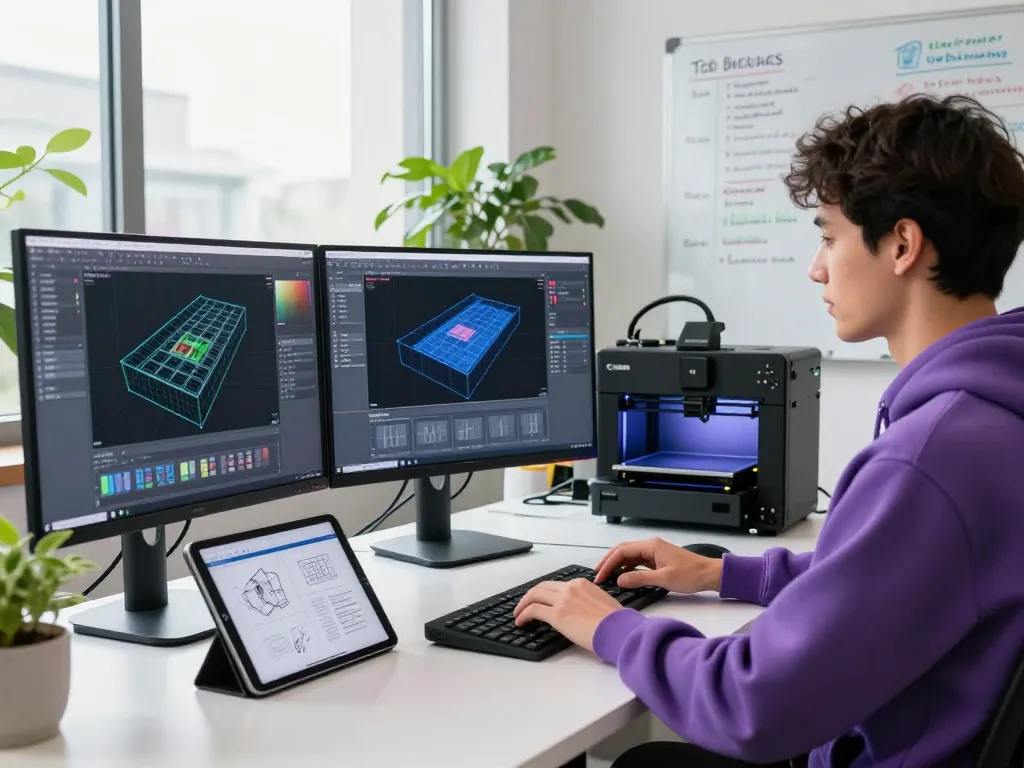
Text to CAD refers to a set of technologies that enable users to generate CAD files from text prompts. By interpreting descriptive language, these tools translate user intentions into parametric designs. This innovative approach simplifies the design process, enabling users to focus more on creativity than technical intricacies. Instead of manually crafting each element of a design, users can simply describe what they want, and the tool takes care of the rest.
The Evolution of CAD Technology
CAD technology has evolved tremendously since its inception. Originally, CAD systems were complex and required significant training and expertise. The introduction of 2D drawing tools paved the way for 3D modeling, making it easier for engineers and designers to visualize their projects. With the advent of machine learning and artificial intelligence, we are now witnessing a transformative shift—Text to CAD represents the next leap in this evolution, allowing for rapid prototyping and enhanced design iteration.
Why Text to CAD is Essential for 2026
As industries face increasing pressure to innovate and reduce time-to-market, Text to CAD offers a vital solution. By speeding up the design process and allowing for immediate iterations based on user feedback, businesses can enhance productivity and creativity. This is particularly important in sectors such as manufacturing, architecture, and product design, where precision and adaptability are paramount. Furthermore, with advancements in AI, the capabilities of Text to CAD tools will only improve, making them even more essential in the years to come.
Benefits of Using Text to CAD Tools
Streamlining Design Workflows
One of the most significant benefits of Text to CAD is the streamlining of design workflows. Traditional CAD processes often involve cumbersome steps, from initial sketching to final design. Text to CAD tools eliminate unnecessary stages, allowing designers to quickly generate and modify models based on written descriptions. This efficiency can lead to shorter project timelines and reduced costs, as less time is spent on manual revisions.
Enhancing Collaboration Among Teams
Collaboration is key in any design context, and Text to CAD tools facilitate this by providing a common language for teams. Designers, engineers, and clients can communicate ideas more effectively using text descriptions, reducing misunderstandings that often arise with traditional visual drafts. This clarity encourages better teamwork and helps ensure that everyone involved is on the same page, ultimately leading to a more cohesive final product.
Case Studies: Successful Implementations
Numerous companies have successfully integrated Text to CAD solutions into their workflows. For example, a leading automotive manufacturer implemented a text-based CAD tool, which allowed designers to quickly prototype new models based on descriptive inputs from stakeholders. This resulted in a 30% reduction in design time and improved the overall quality of the prototypes. Such case studies illustrate the tangible benefits of adopting Text to CAD technologies.
Common Challenges and Solutions
Addressing Accuracy in CAD Generations
Despite its advantages, Text to CAD technology isn’t without challenges. One of the main concerns is accuracy in the generated models. Incorrectly interpreted text can lead to flawed designs. To mitigate this risk, users should employ clear, specific language and utilize tools that offer robust validation features. Continuous feedback loops and iterative testing can also enhance the reliability of outputs.
Overcoming User Interface Hurdles
The user interface of many Text to CAD tools can be a barrier for some users. A steep learning curve may discourage individuals from utilizing these innovations fully. To address this, developers should prioritize user-friendly designs and provide comprehensive tutorials. Additionally, encouraging user feedback can help refine interfaces and improve usability over time.
Common Misconceptions about Text to CAD
There are several misconceptions surrounding Text to CAD technologies. A common belief is that these tools can entirely replace traditional CAD methods. In reality, they complement existing processes, providing a new avenue for rapid design prototyping. Educating users about the strengths and limitations of Text to CAD can facilitate better adoption and more effective usage.
Best Practices for Effective Text to CAD Use
Choosing the Right Text to CAD Tool
With a growing number of Text to CAD tools available, selecting the right one for your specific needs is crucial. Consider factors such as the tool’s compatibility with existing software, the complexity of projects it can handle, and user community support. Testing multiple options can help identify the best fit for your workflow.
Integrating with Existing CAD Systems
For organizations already using traditional CAD systems, integration is key. Ensure that the Text to CAD tool you choose can smoothly integrate with existing software to allow for data sharing and collaboration. This will help maintain continuity in design processes and enhance overall efficiency.
Monitoring Performance Metrics
To ensure that Text to CAD tools are delivering the desired results, it’s essential to monitor performance metrics. Track design time, user satisfaction, and the accuracy of generated models to identify areas for improvement. Regular evaluations can help refine processes and maximize the benefits of Text to CAD technologies.
The Future of Text to CAD Technology
Emerging Trends for 2026 and Beyond
As we move towards 2026, several trends are expected to shape the landscape of Text to CAD technology. The integration of advanced AI algorithms will enhance the accuracy and capabilities of these tools, making them more intuitive and powerful. Additionally, increased interoperability between different CAD platforms will facilitate smoother transitions between designing and manufacturing processes, ultimately benefiting productivity.
How AI is Shaping the CAD Landscape
Artificial intelligence is at the forefront of the revolution in CAD technologies. With machine learning, Text to CAD tools can learn from user feedback and improve output quality over time. Automating routine tasks will allow designers to focus on strategic and creative aspects of their projects, further enhancing productivity.
Expert Predictions for Text to CAD Advancements
Industry experts predict that the capabilities of Text to CAD tools will continue to evolve rapidly. Innovations like augmented reality (AR) and virtual reality (VR) integrations could allow users to visualize designs in real-world contexts, enhancing decision-making and collaboration. As these technologies become more mainstream, their applications across various industries will expand significantly.
What are the main applications of text to CAD?
Text to CAD tools can be applied in various fields, including architecture, industrial design, and mechanical engineering. Applications range from generating architectural layouts to creating intricate mechanical components, making these tools invaluable for professionals seeking efficiency and precision in their designs.
Can I trust text to CAD tools for professional projects?
While Text to CAD tools are still evolving, many have been successfully utilized for professional projects across various industries. As with any design process, it is vital to verify the accuracy of outputs and ensure that they meet industry standards. Using these tools as part of a broader design workflow can yield excellent results.
What industries benefit most from text to CAD?
Industries such as manufacturing, aerospace, and architecture stand to benefit significantly from Text to CAD technologies. These sectors often demand rapid prototyping and precise modeling, making the ability to generate CAD files from simple text inputs invaluable.
How does text to CAD differ from traditional CAD methods?
Unlike traditional CAD methods, which require extensive manual inputs and technical knowledge, Text to CAD simplifies the design process by allowing users to generate models using verbal descriptions. This democratizes design, empowering a broader range of professionals to engage with CAD technology.
Are there cost-effective text to CAD solutions?
Many Text to CAD solutions are available, ranging from premium software to free or open-source tools. Assessing your organization’s budget and needs will help identify the most cost-effective options that still deliver the necessary functionalities.