Understanding Vinyl Plank Flooring Basics
What is Vinyl Plank Flooring?
Vinyl plank flooring is a synthetic flooring solution designed to mimic the look of hardwood, stone, or tile. Composed primarily of polyvinyl chloride (PVC), it is manufactured in long, wide planks that can be easily installed over existing floors. The planks typically feature a multi-layer construction, which includes a wear layer for durability, a photographic layer for realistic aesthetics, and a core layer for structural integrity. Vinyl plank flooring is celebrated for its cost-effectiveness, versatility, and resilience, making it an excellent option for both residential and commercial spaces.
Key Benefits of Vinyl Plank Flooring
There are several compelling reasons to choose vinyl plank flooring. Here are some key benefits:
- Affordability: Vinyl plank flooring is often more cost-effective than hardwood or tile alternatives, providing homeowners with a budget-friendly option without sacrificing style.
- Water Resistance: Many vinyl planks are engineered to be water-resistant, making them suitable for areas prone to moisture such as kitchens, bathrooms, and basements.
- Durability: With a robust wear layer, vinyl plank flooring can withstand heavy foot traffic and resist scratches, dents, and stains, ensuring longevity.
- Easy Maintenance: Cleaning is a breeze; regular sweeping and occasional mopping are usually sufficient to maintain its pristine appearance.
- Comfortable Underfoot: Compared to harder flooring options, vinyl offers a softer, more comfortable surface to walk on, providing a more pleasant experience over long periods.
- Ease of Installation: Many vinyl planks feature a click-lock system that allows for straightforward DIY installation without the need for professional help.
Common Myths About Vinyl Plank Flooring
Despite its growing popularity, there are several misconceptions about vinyl plank flooring:
- Myth 1: Vinyl Plank Flooring Looks Cheap: Modern vinyl plank flooring can closely replicate the look of genuine wood or stone, often indistinguishable from the real thing without close inspection.
- Myth 2: Vinyl Isn’t Durable: With advancements in technology, high-quality vinyl planks are made to be extremely durable and can withstand everyday wear and tear.
- Myth 3: Vinyl Flooring Off-Gases Harmful Chemicals: While older vinyl products contained harmful substances, current manufacturing standards have largely eliminated these concerns, making vinyl safe for indoor use.
- Myth 4: It Cannot Be Repaired: While damage may occur, many vinyl products can be repaired or replaced easily without having to re-install an entire floor.
Selecting the Right Vinyl Plank Flooring Style
Popular Designs and Styles
When it comes to vinyl plank flooring, the variety of designs and styles available can cater to nearly every taste and home decor. Popular styles include:
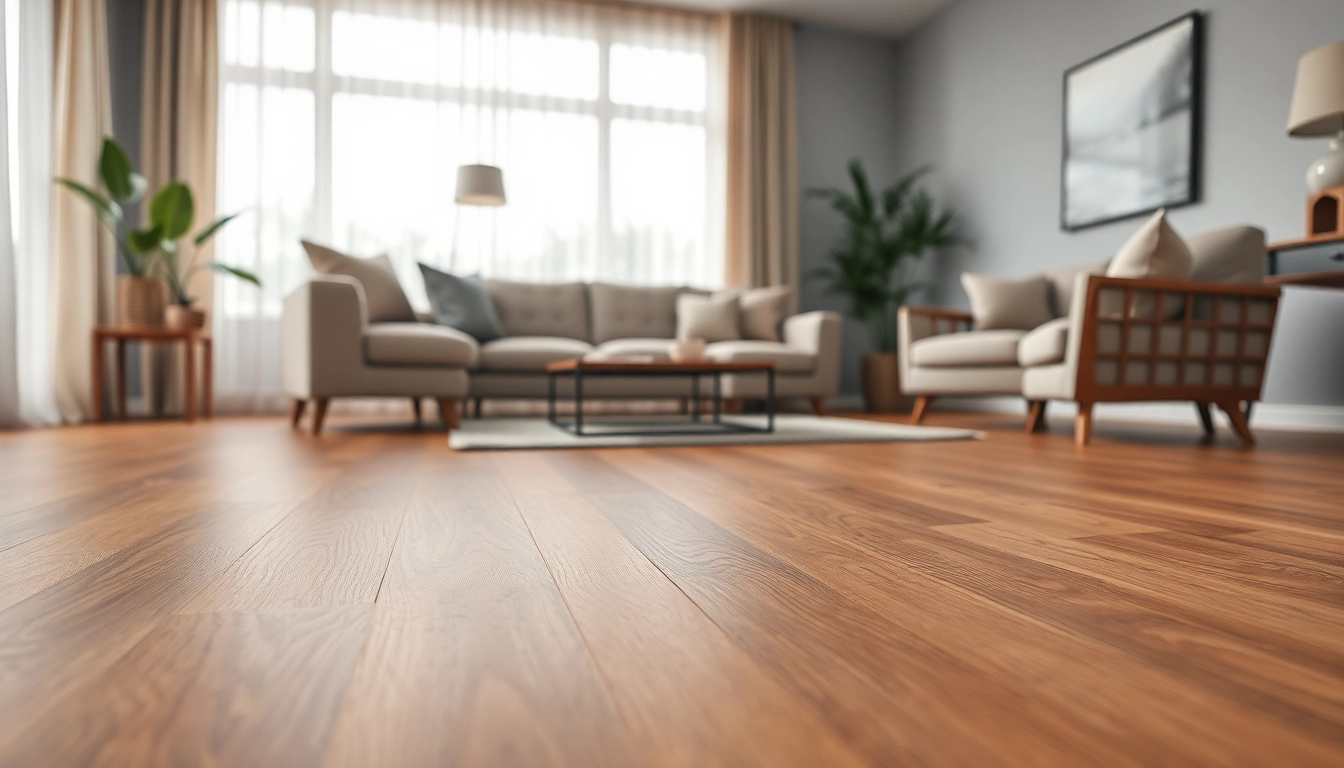
- Wood-Look Vinyl: These planks closely resemble hardwood with natural grains, textures, and colors, providing the warmth of wood without the maintenance.
- Stone-Look Vinyl: Many manufacturers offer vinyl that mimics the appearance of natural stone, including marble and slate, giving spaces a luxurious feel.
- Patterns and Textures: From distressed finishes to modern geometric patterns, vinyl planks can offer unique designs that elevate the overall aesthetic of your home.
Choosing Colors and Textures
Selecting the right colors and textures for your vinyl plank flooring can significantly impact your home’s ambiance. Light colors tend to make rooms look more spacious, while darker tones can create a cozy atmosphere. Texture also plays a vital role; embossed surfaces offer a more realistic wood feel, while smooth finishes are easier to clean. Consider the existing decor, natural light, and even the climate in your area when making your selections.
Matching Vinyl Plank Flooring with Home Decor
When choosing vinyl plank flooring, having a holistic approach to how it will fit with your home is crucial. Here are some tips:
- Consider Transition Spaces: Ensure the vinyl flows well with adjacent rooms by considering transitions, especially in open floor plans.
- Balance Elements: If your furniture is dark or heavy, lighter flooring can create a balanced aesthetic, and vice versa.
- Personal Style: Whether you prefer contemporary, rustic, or traditional styles, there’s a vinyl option to match. Choose options that resonate with your taste rather than solely following trends.
Installation Process for Vinyl Plank Flooring
Preparing Your Space
Proper preparation is vital for a successful installation of vinyl plank flooring. Start by ensuring the subfloor is clean, dry, and smooth. Remove existing flooring, if necessary, and fill any holes or inconsistencies. It’s also wise to acclimate the vinyl planks to the room’s temperature and humidity for two to three days before installation to prevent expansion or contraction.
DIY vs. Professional Installation
The decision to install vinyl plank flooring yourself or hire a professional depends on several factors including budget, skill level, and time constraints. DIY installation can save money and is often manageable for those with basic handy skills. However, professional installers guarantee a precise job, relieving you of the technicalities and offering peace of mind. Before deciding, evaluate your comfort with tools, the complexity of the space, and your available time.
Post-Installation Care Tips
After installation, it’s essential to care for your vinyl plank flooring to ensure its longevity:
- Avoid Water Exposure: While vinyl resists water, using excessive moisture can lead to damage. Wipe spills immediately and avoid wet mopping.
- Use Proper Cleaners: Stick to pH-neutral cleaners specifically designed for vinyl surfaces to avoid damaging the finish.
- Protect from Scratches: Place felt pads under furniture legs and avoid dragging objects across the floor.
Maintenance Best Practices for Longevity
Cleaning Vinyl Plank Flooring
Regular cleaning helps maintain the beauty of your vinyl plank flooring. A simple routine should include:
- Daily Cleaning: Sweep or vacuum to remove dirt and debris.
- Weekly Mopping: Use a damp mop with a vinyl-safe cleaner to keep the surface looking fresh.
- Deep Cleaning: Occasionally, perform a deep clean by using a suitable floor cleaner for vinyl to remove embedded dirt and dullness.
Avoiding Common Damage
To maintain your vinyl flooring, avoid behaviors that can lead to damage:
- Avoid High-Heels: Limit the use of high heels on vinyl as they can cause indentations.
- Prevent Sun Damage: Use blinds or curtains to protect the flooring from direct sunlight, which can cause fading.
- Monitor Moisture Levels: Ensure the humidity levels in your home are controlled to prevent warping, particularly in high-moisture areas.
Enhancing Durability Over Time
To further enhance the durability of your vinyl plank flooring:
- Apply Area Rugs: Use area rugs in high-traffic zones to help absorb impacts and wear.
- Consider Floor Protectors: Use floor protectors for heavy furniture to distribute weight and prevent indentations.
- Regular Inspections: Periodically check for any signs of wear, peeling, or seam separation and address issues promptly.
Comparing Vinyl Plank Flooring with Other Flooring Options
Vinyl Plank vs. Hardwood Flooring
When comparing vinyl plank flooring with hardwood flooring, consider these factors:
- Cost: Vinyl is generally much more affordable than hardwood, both in materials and installation costs.
- Maintenance: Vinyl requires less maintenance compared to hardwood, which may need refinishing and constant upkeep.
- Durability: While hardwood can be scratched and dented, high-quality vinyl is more resilient to everyday wear.
Vinyl Plank vs. Laminate Flooring
Vinyl plank and laminate flooring may look similar, but there are critical differences:
- Moisture Resistance: Vinyl offers superior waterproof properties, whereas laminate can swell when exposed to water.
- Installation: Both types are relatively easy to install, but vinyl’s flexibility can be advantageous in uneven spaces.
- Feel: Vinyl generally feels softer and more comfortable underfoot than laminate.
Cost Analysis of Different Flooring Types
Here is a brief overview of the costs associated with common flooring types:
- Vinyl Plank Flooring: Generally ranges from $2 to $7 per square foot, plus installation.
- Hardwood Flooring: Prices range from $5 to $15 per square foot, plus installation and finishing.
- Laminate Flooring: Typically ranges from $2 to $6 per square foot, plus installation.
Frequently Asked Questions
1. How long does vinyl plank flooring last?
Vinyl plank flooring can last anywhere from 10 to 20 years with proper care and maintenance. High-quality products may last even longer.
2. Can vinyl plank flooring be installed over carpet?
No, vinyl plank flooring should not be installed over carpet as it requires a smooth, hard surface for stability and durability.
3. Is vinyl plank flooring eco-friendly?
Many vinyl plank options are manufactured with reduced environmental impact and can be recycled. Always check for eco-labels and certifications.
4. Can I use vinyl plank flooring in my bathroom?
Yes, vinyl plank flooring is an excellent choice for bathrooms due to its water-resistant properties. Ensure proper installation for best performance.
5. Are there different grades of vinyl plank flooring?
Yes, vinyl plank flooring comes in different grades, which indicate the quality. Higher grades typically offer better durability and aesthetic appeal.