
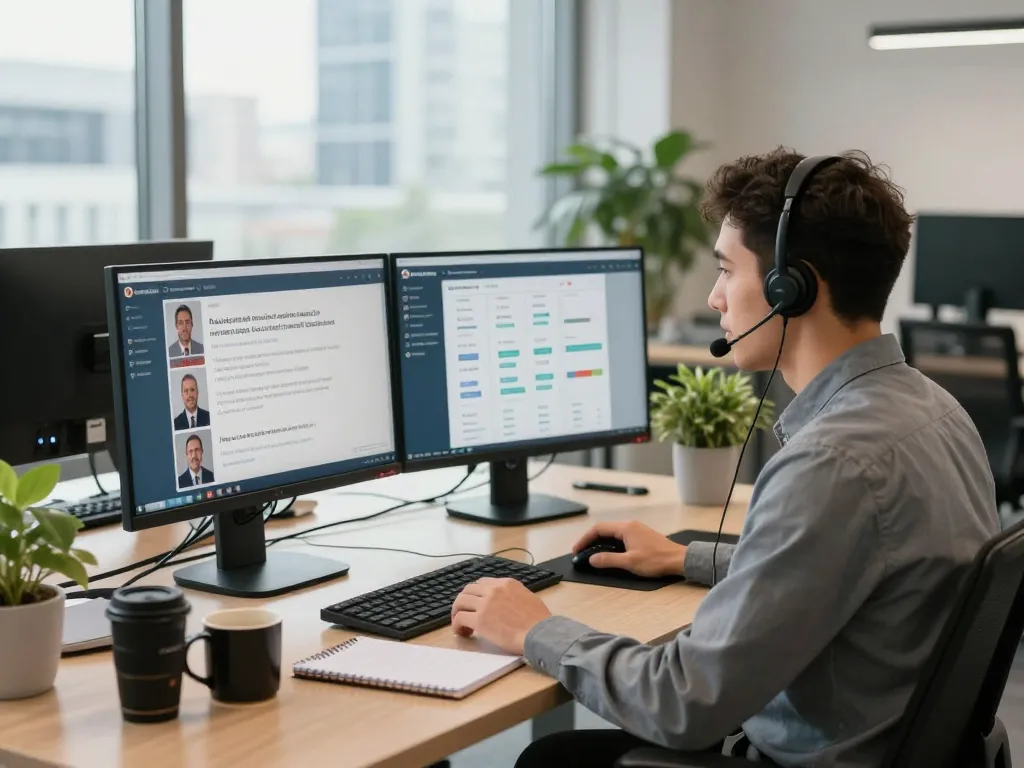
Understanding the Automated Phone Interview Process
As organizations look to streamline their recruitment processes, automated phone interviews have become a vital tool in the hiring landscape. These interviews leverage technology to conduct standardized, efficient candidate assessments, providing a solution to the common challenges faced by recruiters today. By implementing an automated phone interview system, companies can enhance their screening effectiveness while saving valuable time and resources.
What is an Automated Phone Interview?
An automated phone interview is a structured assessment process that allows candidates to respond to pre-recorded questions posed by an AI system. Unlike traditional interviews where human interaction is essential, an automated approach enables candidates to complete the interview at their convenience, often resulting in a higher completion rate. The AI system records responses, transcribing them for review, which provides a streamlined way for hiring managers to evaluate multiple candidates.
Benefits of Using Automated Interviews
- Time Efficiency: Automated phone interviews significantly reduce the time spent on initial candidate screenings, enabling recruiters to focus on more strategic tasks.
- Consistency: By standardizing the interview process, AI ensures that all candidates are evaluated based on the same criteria, which helps eliminate bias.
- Scalability: Organizations can easily increase their screening capacity, allowing for the simultaneous assessment of a large number of candidates.
- Data-Driven Insights: The automated system generates quantifiable scores and analytics, allowing for informed decision-making during the hiring process.
How AI Enhances Candidate Engagement
The integration of artificial intelligence in phone interviews not only streamlines the process but also enhances candidate engagement. Unlike traditional methods, AI-driven interviews create a conversational experience that mimics human interaction. Candidates can respond to questions naturally, and the AI can adapt by asking follow-up questions based on their replies. This interactivity helps candidates feel more at ease and can lead to a better representation of their skills and qualifications.
Setting Up Your Automated Interviews
Defining Candidate Criteria and Must-Haves
One of the crucial steps in setting up automated interviews is clearly defining what you need in a candidate. This includes determining the essential skills, experiences, and traits that align with your organization’s goals. Establishing these criteria in advance ensures that your automated interview process is aligned with your hiring objectives and enables the AI to screen candidates effectively.
Selecting the Right Platform for Automation
The selection of an appropriate platform for conducting automated phone interviews is critical for ensuring a smooth interview experience. Look for solutions that offer flexibility, such as browser-based interviews or phone calls, allowing candidates to choose their preferred method of interaction. The right platform should also integrate seamlessly with your existing applicant tracking system (ATS) to facilitate easy management of candidate data.
Best Practices for Crafting Interview Questions
Creating effective interview questions is paramount for eliciting the best responses from candidates. Aim for a mix of situational, behavioral, and technical questions that help assess a candidate’s capability in real-world scenarios. Keep the language clear and concise, focusing on what is most relevant for the role. It’s advisable to pilot your questions with current employees to ensure they are fair and effective.
Maximizing Candidate Experience
Creating a Comfortable Interview Environment
To maximize the candidate experience during automated phone interviews, it’s crucial to ensure that the environment feels welcoming and non-threatening. This can be achieved by clearly communicating the interview process beforehand and providing reassurance that the AI is designed to listen and learn from each response. A positive experience can enhance candidate perception of your brand, making them more likely to accept job offers.
Follow-Up Techniques That Work
Automated follow-ups are essential in keeping candidates engaged throughout the interview process. Implementing a system that sends reminders and encourages completion of the interview can drastically improve completion rates. For example, utilizing SMS or email notifications that re-engage candidates can ensure that no potential hire falls through the cracks.
Multilingual Capabilities for Global Reach
In today’s global job market, having multilingual support in your automated interviews is invaluable. Offering interviews in multiple languages not only expands your reach but also demonstrates inclusivity and respect for diverse candidates. This capability allows organizations to tap into a wider talent pool and appeal to candidates who may be more comfortable expressing themselves in their native language.
Evaluating and Analyzing Interview Results
Understanding Scoring Systems and Metrics
Once interviews are completed, understanding the scoring system used by the AI is crucial for evaluating candidates fairly. Each completed interview generates scores based on the predefined criteria, correlating to specific competencies. Familiarize yourself with how these metrics work and what they signify in the context of your hiring strategy. This data can streamline decision-making in selecting candidates for the next stages of the hiring process.
Integrating Results with Your ATS
Automated phone interview systems are often designed to integrate seamlessly with your existing applicant tracking system (ATS). This integration is essential for maintaining an organized workflow and ensuring that all candidate data is easily accessible. Regularly review how well your ATS and the automated interview system are working together to fine-tune your recruitment process further.
Case Studies: Success Stories of Automated Interviews
Numerous organizations have successfully implemented automated phone interviews, leading to significant improvements in their hiring outcomes. For instance, a leading tech company reported a 40% reduction in time-to-hire after adopting an automated interview platform. Such success stories illustrate the tangible benefits of integrating technology into the recruitment process, showcasing enhanced efficiency and improved candidate satisfaction.
Future Trends in Interview Automation
Emerging Technologies in Recruitment
The landscape of recruitment is continuously evolving with innovations such as machine learning and natural language processing. These technologies contribute to creating even more advanced interview systems that can analyze not only the content of a candidate’s answers but also their tone, emotion, and hesitations, leading to richer data sets for recruiters.
Predictions for AI in Hiring by 2026
Experts predict that by 2026, the use of AI in hiring will be ubiquitous, with most organizations relying on some form of automated interview process. As technology improves, these systems will become more adept at simulating human interaction, allowing for a more nuanced understanding of candidates. Additionally, biases in recruitment processes will be addressed more effectively through AI’s data-driven insights.
Preparing for the Next Generation of Candidates
As the workforce evolves, recruitment strategies must adapt to meet the expectations of a new generation of candidates. Younger candidates often prefer digital communication and may expect a more streamlined, tech-savvy interview process. Preparing your recruitment strategy to align with these preferences will be crucial for attracting top talent.
What Makes AI Interviews a Game Changer?
AI interviews represent a significant shift in the recruitment landscape, enabling organizations to hire based on data rather than solely on gut feeling. By allowing for a larger volume of candidates to be assessed efficiently and consistently, AI interviewing tools are not just enhancing productivity but also ensuring that organizations are making well-informed hiring decisions that align with their long-term goals.